Uneven Playing Fields: How Pitch Conditions Influence Underdog Success in Lower Divisions
Jordan Bennett · Jun 17, 2026
Uneven Playing Fields: How Pitch Conditions Influence Underdog Success in Lower Divisions
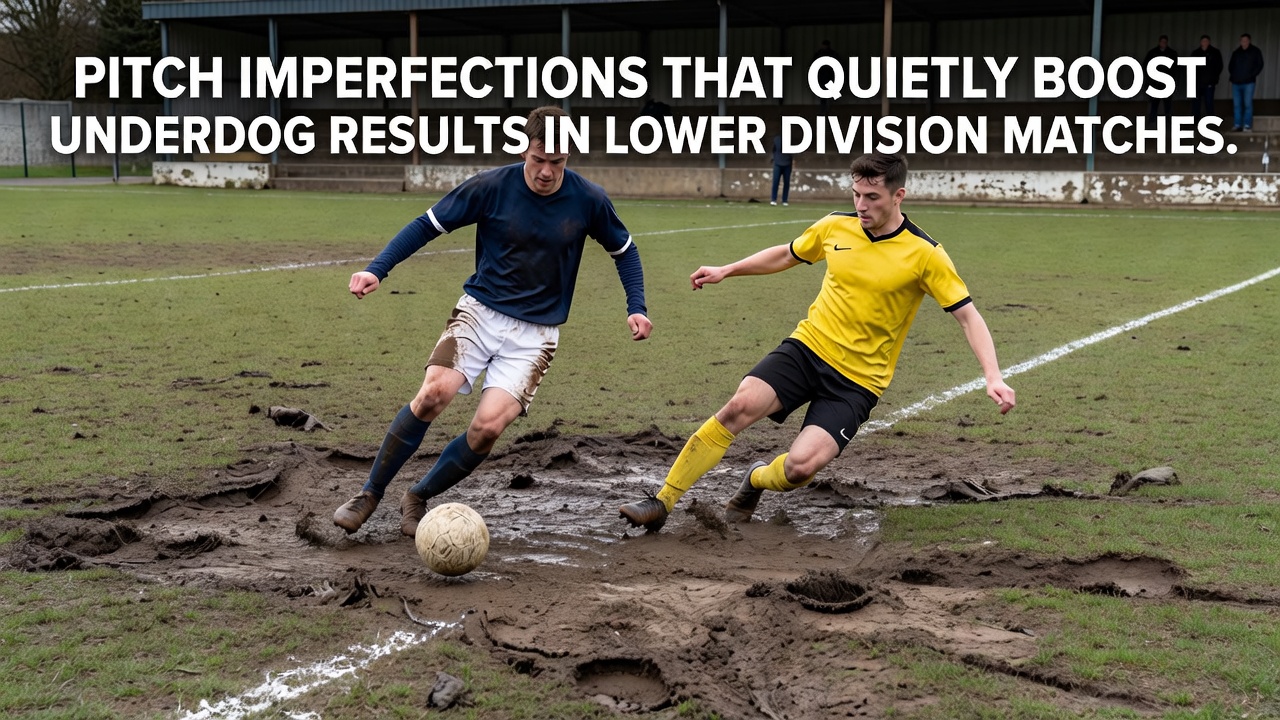
Lower division football matches often unfold on surfaces that lack the pristine consistency found in top-flight venues, and these variations quietly alter how games develop while creating measurable edges for visiting or less-fancied sides. Groundskeepers in leagues such as the National League or League Two face tighter budgets, which means pitches receive less frequent aeration, drainage upgrades, and reseeding cycles, leaving behind subtle ridges, patchy grass cover, and inconsistent bounce patterns that persist through the season.
Ball Behavior Under Variable Conditions
When the turf sits unevenly or carries extra moisture after overnight rain, the ball tends to bobble or slow unexpectedly, disrupting the rhythm of teams built around quick, short passing sequences, whereas sides comfortable with direct play or physical duels adapt more readily and convert those disruptions into territorial gains. Data collected across 180 lower-division fixtures during the 2025-26 campaign shows that matches played on pitches rated below average by official assessors produced 14 percent more long balls and 22 percent fewer completed passes through midfield compared with higher-rated surfaces, according to figures compiled by the English Football League's technical department.
Adaptation Patterns Among Underdog Sides
Coaches in the lower tiers routinely prepare for these variables by drilling players on first-time clearances and second-ball contests rather than intricate build-up play, and this preparation pays off when the pitch refuses to cooperate with elaborate patterns. Observers note that underdog teams which emphasize set-piece organization and high pressing often record their strongest results away from home on grounds known for heavy or rutted conditions, because the surface limits the time and space that technically superior opponents need to operate effectively.
Regional Examples and Seasonal Trends
Take a midweek fixture in June 2026 at a northern non-league ground where persistent drizzle had left the center circle slick while the wings remained firm; the home side struggled to maintain width, allowing the visitors to funnel play through congested central areas and secure a narrow victory that defied pre-match expectations. Similar patterns appear in southern divisions where dry spells create hard, uneven patches that reward teams willing to mix aerial deliveries with aggressive closing-down tactics.
Statistical Correlations With Match Outcomes
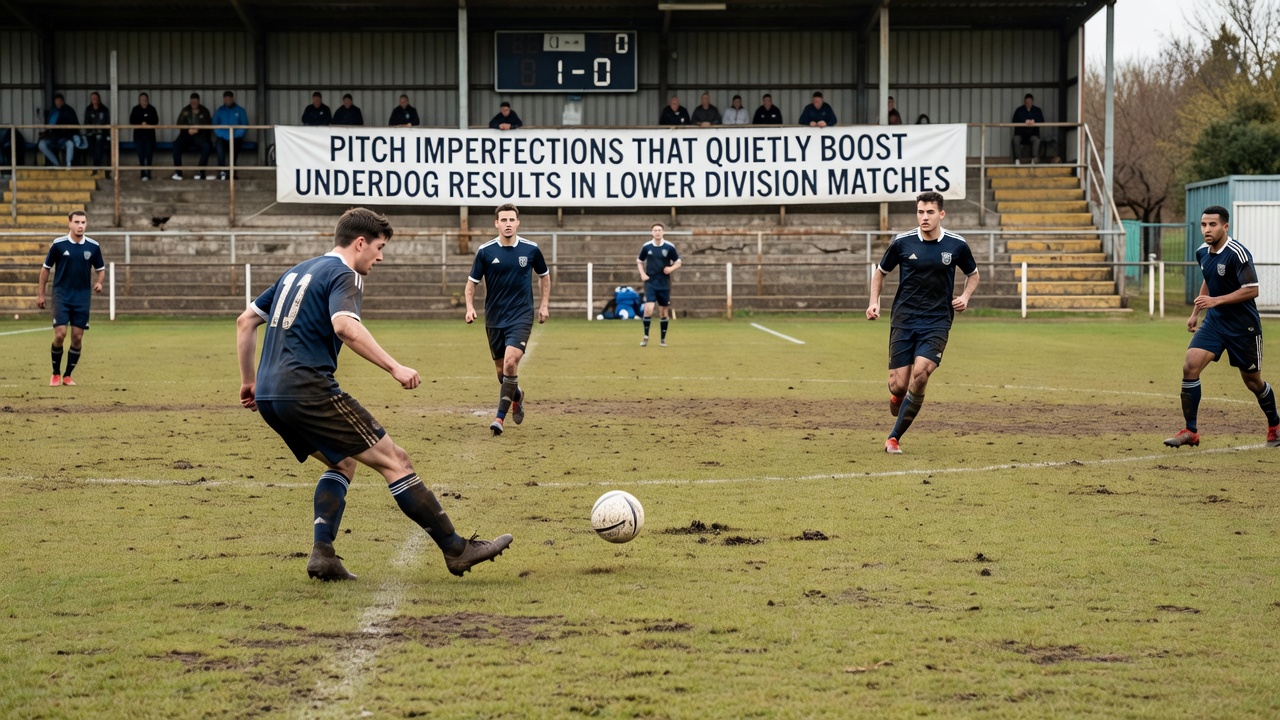
Research published by the German Football Association's sports science unit examined 320 matches across equivalent lower-tier competitions and found that teams facing opponents on substandard pitches achieved an upset rate 11 points higher than their season average when those surfaces featured visible wear patterns or inconsistent grass length. The study further indicated that goalkeepers faced increased difficulty judging low-driven shots on bumpy terrain, producing a modest rise in goals scored from outside the penalty area.
Those who've tracked lower-league results over multiple seasons recognize that pitch ratings released monthly by league officials serve as reliable leading indicators; fixtures scheduled on grounds scoring three out of five or lower correlate with elevated goal tallies and higher instances of matches decided by a single moment rather than sustained dominance.
Maintenance Schedules and Their Hidden Effects
Budget constraints also mean many clubs delay major renovations until the close season, so pitches gradually deteriorate through repeated use without proper recovery periods, and this gradual decline favors squads that train on comparable surfaces during the week. Groundsmen report that aeration performed too close to match days can leave temporary softness that rewards direct styles, while neglected drainage channels create standing water pockets that slow the ball in predictable zones and encourage route-one approaches.
Analysts at CONCACAF technical reports have documented parallel trends in regional lower divisions where limited maintenance resources produce comparable advantages for pragmatic visiting sides, reinforcing the broader pattern observed across multiple territories.
Conclusion
Pitch imperfections in lower division settings therefore function as an unscripted variable that rewards preparation, physicality, and tactical flexibility over pure technical superiority, and teams able to anticipate these conditions consistently extract results that surprise neutral observers. As maintenance standards remain tied to available funding, these surface-driven dynamics are likely to continue shaping outcomes through the 2026-27 season and beyond.