Travel Fatigue Metrics Influence Accumulator Results in Cross-Continental Football Leagues
David Fischer · Jul 26, 2026
Travel Fatigue Metrics Influence Accumulator Results in Cross-Continental Football Leagues
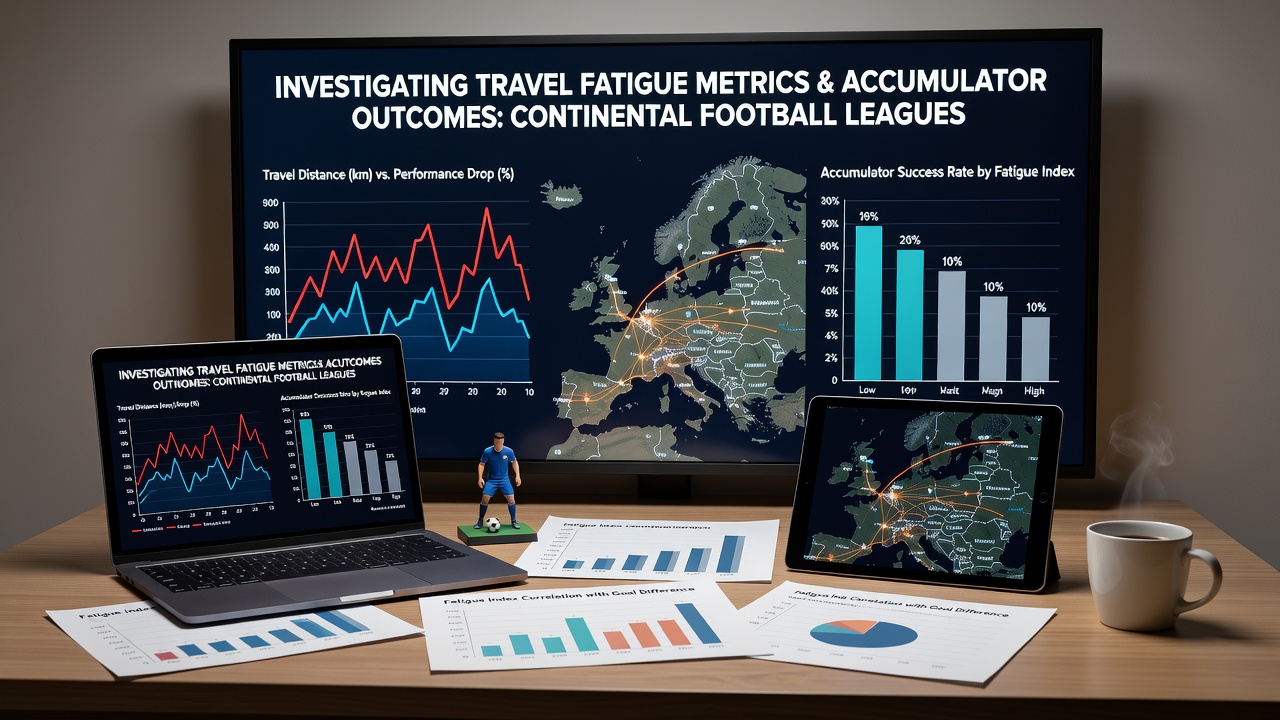
Travel fatigue metrics have become central to performance analysis in football leagues spanning Europe, South America, and beyond, where clubs routinely cross time zones and cover thousands of kilometers for continental competitions. Researchers track variables such as flight duration, sleep disruption, and recovery windows, then correlate these figures with match statistics including goals scored, possession rates, and defensive errors. Data from major tournaments shows teams traveling over 3,000 kilometers exhibit measurable declines in high-intensity running output, a factor that directly feeds into accumulator models used by bettors constructing multi-leg selections across different leagues.
Measuring Travel Impact on Team Performance
Studies compile GPS and accelerometer data alongside fixture schedules to quantify fatigue loads, and observers note clear patterns when clubs play midweek European ties before returning for domestic fixtures. For instance, squads crossing multiple time zones demonstrate slower reaction times in the first 15 minutes of subsequent matches, according to reports compiled by sports science departments at institutions like the University of Queensland. These measurements allow analysts to adjust expected outcomes when building accumulators that combine results from the English Premier League, La Liga, and Brasileirão on the same ticket.
Recovery protocols vary by club resources, yet even well-funded teams show residual effects when schedules compress travel and match recovery into narrow windows. Figures reveal an average 12 percent drop in sprint volume after long-haul flights, while pass completion rates dip by roughly 4 percent in the opening half. Bettors incorporate these metrics into pre-match evaluations, weighting legs of an accumulator more conservatively when one side faces a short turnaround following intercontinental travel.
Accumulator Construction and Fatigue Variables
Accumulator outcomes hinge on accurate probability inputs, and travel fatigue data refines those inputs by highlighting matches where standard form guides may understate risk. Models integrate flight logs, hotel check-in times, and training session intensity to generate adjusted win probabilities, then feed the revised figures into multi-leg calculators. One analysis of 2025 continental group stage fixtures found that teams arriving less than 48 hours before kickoff covered 9 percent less ground in the final third, altering expected goal differentials that accumulator builders rely upon.
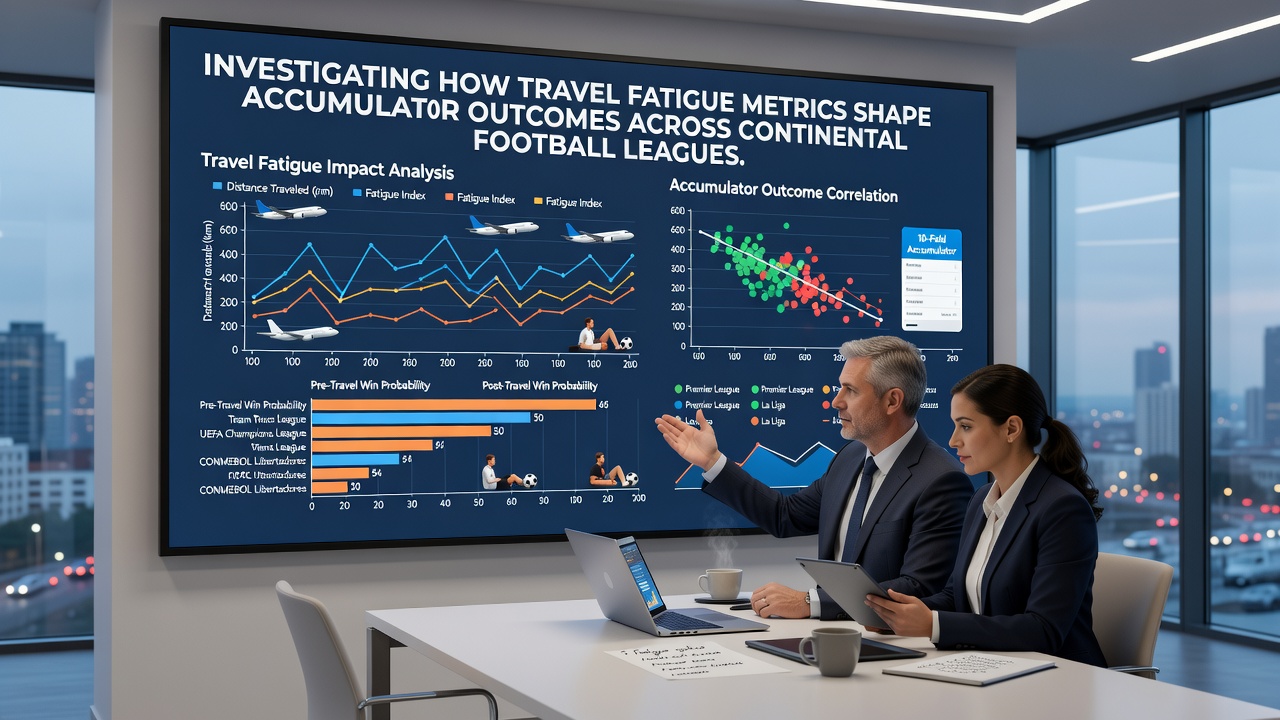
July 2026 schedules already list several high-profile club world cup qualifiers that require South American sides to travel to European venues and back within 10 days, creating overlapping fatigue effects for league matches immediately afterward. Analysts cross-reference these dates with historical performance drops, then flag specific accumulator combinations where the away side's recovery deficit outweighs nominal squad strength. Such adjustments appear in specialized software used by professional syndicates that aggregate data from UEFA technical reports and CONMEBOL travel summaries.
Regional Differences in Travel Effects
Leagues in South America often involve greater longitudinal travel than their European counterparts, producing distinct fatigue signatures that influence cross-league accumulators. Brazilian clubs traveling from Manaus to Buenos Aires encounter both distance and climate shifts that compound recovery demands, whereas European teams crossing similar distances benefit from denser high-speed rail networks that reduce flight frequency. Comparative studies conducted by the Australian Institute of Sport highlight how these geographic variables alter injury incidence rates, with South American fixtures showing elevated soft-tissue issues in the 72 hours following extended journeys.
Accumulator strategies that span multiple continents therefore require separate weighting systems for each region. Data indicates European midweek travel correlates most strongly with second-half performance declines, while South American patterns emphasize first-half lapses linked to circadian misalignment. Bettors who layer these regional distinctions into their selections report more stable long-term returns when mixing legs from UEFA Champions League qualifiers and Copa Libertadores matches.
Conclusion
Travel fatigue metrics supply objective inputs that refine accumulator modeling across continental football leagues by quantifying performance shifts tied to distance, time zones, and recovery intervals. As fixture calendars grow denser through 2026, continued integration of GPS, sleep, and scheduling data supports more precise probability estimates for multi-leg bets. Organizations such as FIFA and academic partners continue publishing aggregated findings that allow systematic incorporation of these variables into outcome forecasts.