Swansea Audit Reveals Cookie Consent Failures Across UK Betting Platforms
Zara Lorenz · Sep 15, 2026

Swansea Audit Reveals Cookie Consent Failures Across UK Betting Platforms
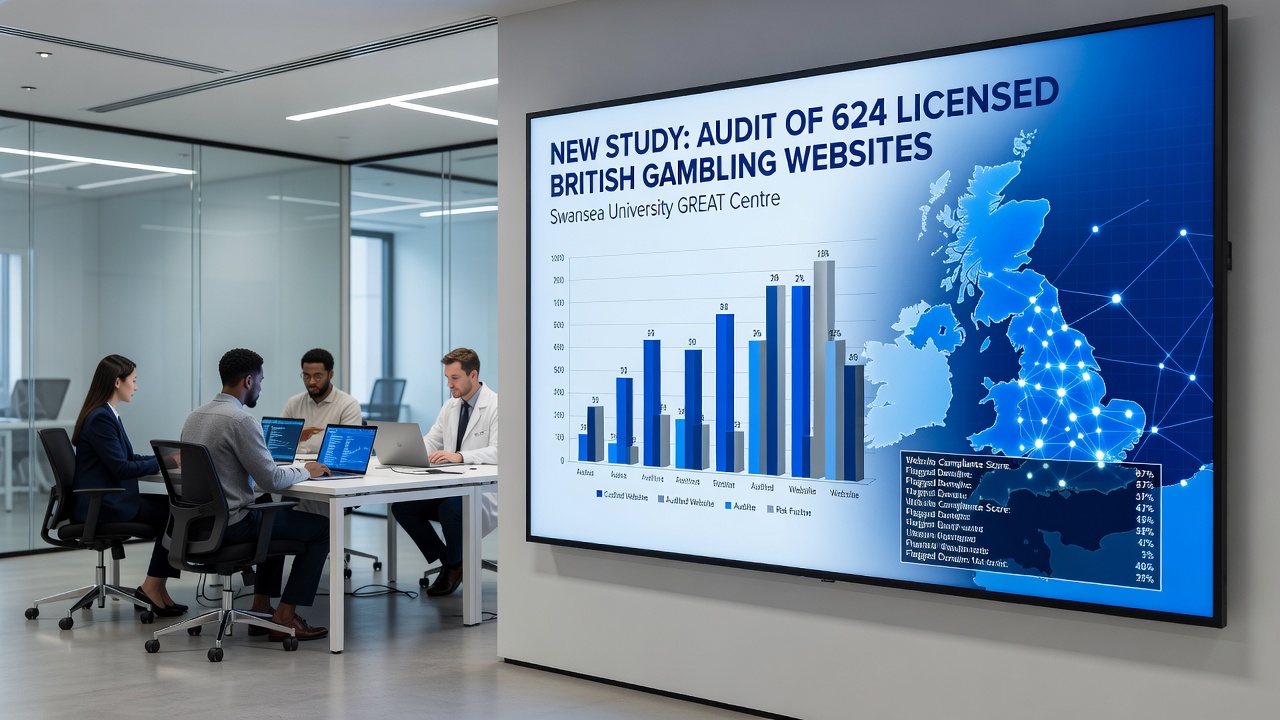
Researchers at Swansea University's GREAT Centre examined 624 licensed British gambling websites and identified that 86 percent had committed at least one GDPR breach tied directly to cookie consent banners, according to coverage of the study. The findings highlight specific patterns in data handling that diverge from standard regulatory expectations, and the violation rate stands notably above the 54 percent recorded in a wider examination of websites across sectors. Those conducting the audit documented multiple categories of noncompliance, including premature data collection and limited user controls, which together paint a detailed picture of current practices in the licensed gambling space.
Key Patterns Identified in the Audit
Two-thirds of the sites reviewed collected user data prior to obtaining consent and transmitted portions of that information to third-party platforms, with major operators such as Ladbrokes and William Hill appearing among the examples cited. In addition, 24 percent of the audited platforms provided no mechanism for users to disable tracking altogether, while many others incorporated design elements commonly described as dark patterns that steer visitors toward accepting broader data-sharing settings. These practices occurred even though the sites operate under UK licensing requirements that align with GDPR standards for transparency and choice.
Observers note that the combination of early data transfers and absent opt-out options creates situations where individuals encounter limited genuine control over their information from the outset of a visit. The study recorded these issues across a substantial sample size, which lends weight to the overall compliance snapshot rather than isolated incidents. Because the research focused exclusively on licensed operators, the results reflect activity within the regulated portion of the market rather than unlicensed or offshore entities.
Context Within Broader Website Compliance Data
The 86 percent figure from the gambling-specific audit exceeds the 54 percent violation rate found in the wider study of websites in general, suggesting that consent banner shortcomings appear more concentrated in this sector. Researchers compared the two datasets directly, which allows for a side-by-side view of how gambling platforms perform relative to other online services. This comparison emerges from the same methodological approach applied to both groups, so differences in outcomes trace back to the types of sites examined rather than variations in evaluation criteria.
Those reviewing the numbers point out that gambling sites often integrate multiple third-party tools for analytics, advertising, and personalization, which can multiply the opportunities for consent-related missteps. The audit captured these integrations as part of its review, showing how data flows begin before users have registered their preferences. In cases where no disable option exists, visitors effectively face an all-or-nothing choice that does not meet the standard of granular control outlined in GDPR guidance.
Details on Dark Patterns and User Interface Practices
Dark patterns surfaced repeatedly in the sample, taking forms such as prominent acceptance buttons paired with less visible rejection paths or interfaces that reset preferences on subsequent visits. The study catalogued these design choices without assigning intent, focusing instead on their observable effect on user decision-making. Because the audit covered hundreds of sites, the patterns represent recurring design decisions rather than anomalies at a handful of locations.
Operators named in the findings, including Ladbrokes and William Hill, sit alongside many smaller platforms that displayed similar banner configurations. This distribution indicates that the issues span both large and mid-sized entities within the licensed market. The research team documented each instance against GDPR requirements for valid consent, which must be freely given, specific, informed, and unambiguous.
Regulatory and Sector Implications
The audit supplies regulators and compliance teams with a sector-specific benchmark that can inform future monitoring priorities. Because the study limited its scope to licensed British gambling websites, the data offers a contained view that aligns with existing oversight structures. Figures from the review show that most of the sampled sites triggered at least one flag, which underscores the scale of adjustments potentially required to align banners with current rules.
News coverage of the findings references the original audit details without introducing external commentary, allowing the numbers and categories to stand on their own. The higher violation rate relative to the general web study provides a factual point of reference for anyone tracking privacy practices across different industries. Those following the topic can trace the reported statistics back to the Swansea research through the published accounts.
Conclusion
The Swansea University audit of 624 licensed British gambling websites establishes a clear compliance baseline centered on cookie consent mechanisms and associated data flows. With 86 percent of sites showing at least one breach, two-thirds initiating transfers before consent, and 24 percent lacking disable options, the documented patterns supply concrete data points for ongoing discussion. The elevated rate compared with broader web studies further situates the gambling sector within the larger landscape of online privacy practices. These results, drawn directly from the research parameters described, remain available through the news reporting that summarized the study findings.