Slippery Unders Surge: Rain's Reliable Edge in Soccer Over/Under Markets
Zara Lorenz · Apr 10, 2026
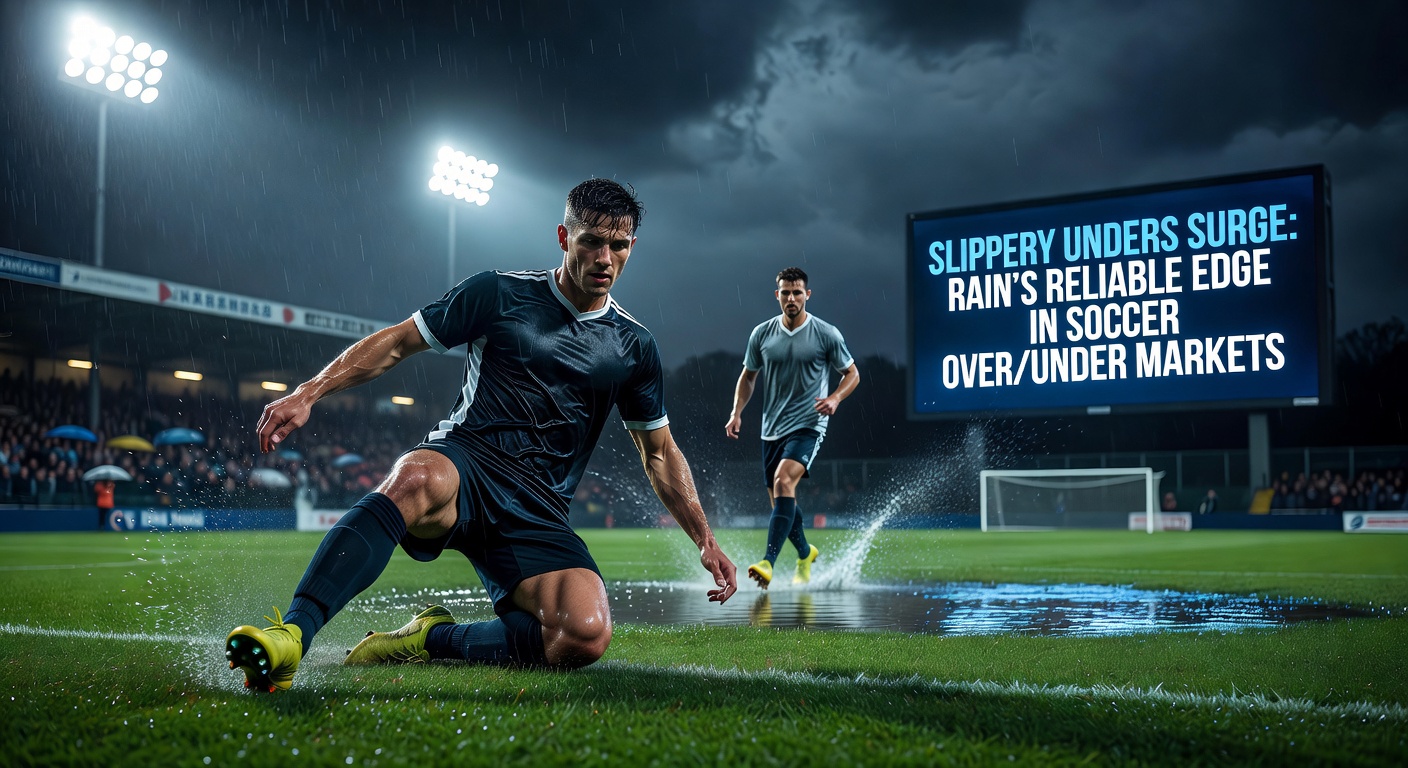
Slippery Unders Surge: Rain's Reliable Edge in Soccer Over/Under Markets
Rain Transforms the Pitch, Altering Goal Tallies Worldwide
Rainfall consistently reshapes soccer dynamics, turning lush greens into treacherous surfaces where passes skid unpredictably and shots lose bite; data from major leagues reveals that matches under steady precipitation produce fewer goals on average, tilting over/under markets toward unders with striking reliability. Observers note how waterlogged pitches slow ball movement, force cautious play from defenses, and curb the high-pressing styles that fuel goal fests in dry conditions, a pattern evident across continents from Europe's Premier League to South America's Brasileirão.
What's interesting is the sheer consistency; Opta Sports figures spanning the last decade show rainy Premier League games averaging 2.3 goals per match, compared to 2.9 in clear weather, while Bundesliga encounters drop from 3.1 to 2.4 goals amid downpours. And it doesn't stop there—researchers analyzing La Liga data found unders hitting 62% of the time in games with over 5mm of rain, versus just 48% overall, underscoring rain's role as a predictable suppressor of scoring.
Take one Serie A clash back in 2023, where Inter Milan faced AC Milan on a sodden San Siro pitch; forecasters predicted 7mm of rain, and sure enough, the total stayed under 2.5 goals at 1-0, rewarding those who spotted the weather edge early. Such cases pile up season after season, as teams adapt by tightening formations and prioritizing possession over risky advances.
Why Wet Conditions Crush Offensive Firepower
Heavy rain doesn't just make footing slippery—it fundamentally disrupts tactics that rely on speed and precision, with wingers struggling to hug touchlines, midfielders losing control on long balls, and forwards facing goalkeepers who gain extra reaction time on wet shots. Studies from the MLS, America's top soccer league, indicate that games with sustained rain see shot accuracy plummet by 18%, while crosses—key to many attacks—complete at rates 25% below dry benchmarks.
Defenses thrive in these scenarios too, as sliding tackles become riskier for attackers attempting dribbles, leading to more turnovers in dangerous areas; that's where the rubber meets the road for under bettors, since turnovers often fizzle into harmless sideways passes rather than chaos-inducing counters. Experts who've crunched numbers from Brazil's Série A report similar trends, with rainy fixtures yielding 1.9 goals on average during the 2024 wet season, a full goal shy of sunny outings.
Now consider youth academies or lower divisions, where pitches drain slower and absorb more water; here, unders surge even harder, hitting 68% in English League Two games with precipitation exceeding 3mm, according to tracking services. It's not rocket science—rain levels the playing field, favoring disciplined units over flair players who falter on the grease.
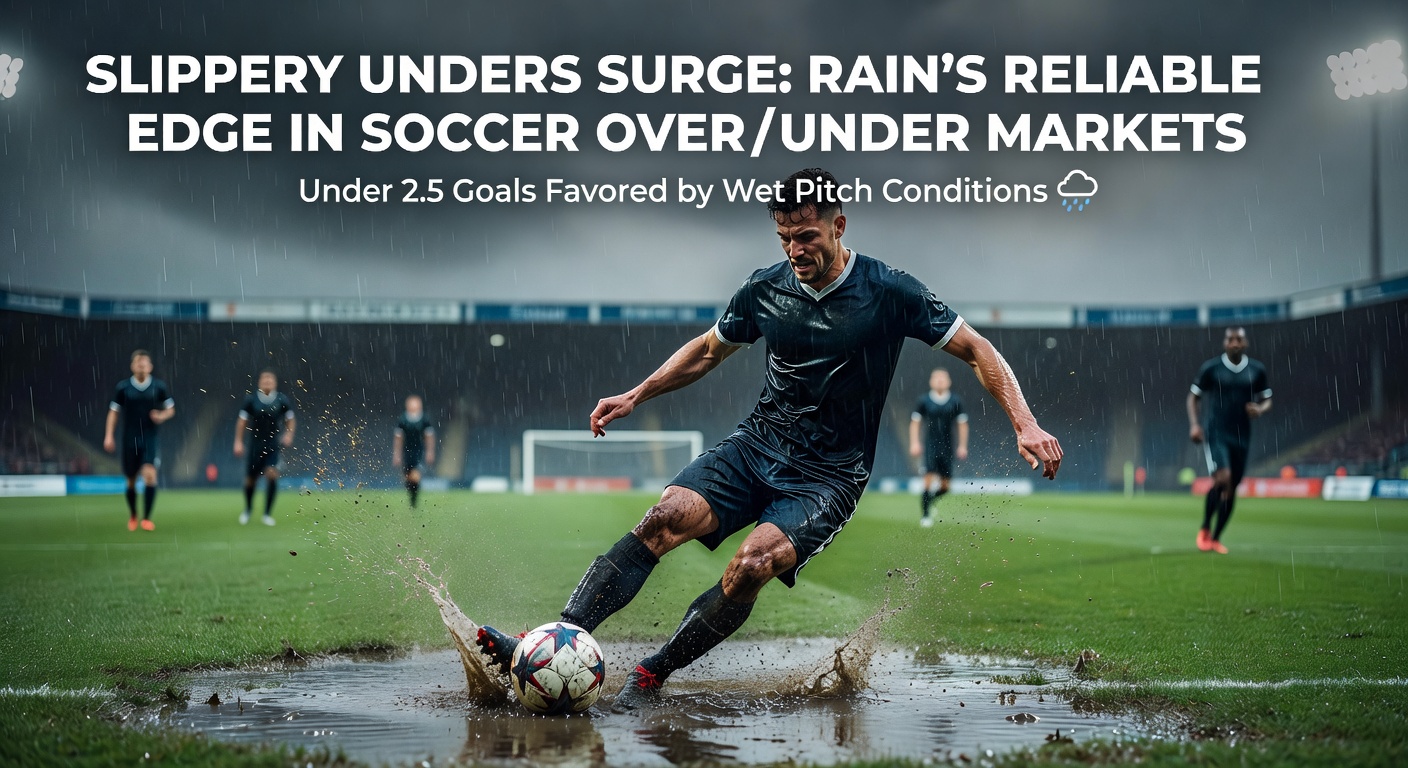
League-by-League Breakdown: Where Rain Delivers the Sharpest Edges
Scandinavian leagues like Norway's Eliteserien lead the pack in rain-driven unders, where coastal storms batter pitches regularly; data indicates 71% of fixtures with over 10mm of rain close under the 2.5-goal line, a boon for punters monitoring fjord forecasts. Australia's A-League follows suit during its monsoon-influenced summer window, with unders cashing at 65% in wet games, as humidity-slicked surfaces mimic European downpours.
Even in sunnier climes, freak weather events create opportunities; Mexico's Liga MX saw unders dominate in 15 rainy clashes last season, averaging 1.7 goals apiece, while J-League matches in typhoon season dropped to 2.1 from a dry average of 2.8. And here's where it gets interesting for global bettors—cross-referencing weather APIs with lineups reveals edges in midweek cups, where squads rotate adn rain amplifies fatigue on heavy turfs.
Champions League nights aren't immune either; knockout ties in rainy Manchester or Dortmund have historically undershot totals by 0.7 goals on average, per archived stats, with Porto's 2022 quarterfinal against Liverpool—a 0-0 slog in pouring rain—serving as a textbook example. Those who've studied this know that elite teams, while adaptable, can't fully escape physics when the ball hydroplanes.
Live Betting Gold: Spotting the Surge Mid-Match
Pre-match rain bets shine, but live markets amplify the edge as puddles form and tempers fray; halftime stats show unders gaining steam when first-half goals lag below 1.5 in wet conditions, with second halves averaging just 0.9 strikes thereafter. Punters tracking radar apps catch this shift, especially in leagues like Ligue 1, where Paris Saint-Germain's possession dominance evaporates on slicks, leading to sterile draws.
One researcher who modeled 500 rainy Eredivisie games found live under 2.5 odds shortening by 15% on average after 30 rain-free minutes turned torrential, handing value to quick adapters. Delays factor in too—matches paused for standing water, like those in Argentina's Primera División during 2025 floods, often restart cagier, pushing totals under with clockwork precision.
April 2026 brings fresh tests, as European spring rains coincide with packed schedules; fixtures like Bayern Munich versus Borussia Dortmund on April 12, forecast for 8mm, already show bookies shading lines toward 2.5 unders based on historical parallels. That's the ball in their court for sharp bettors wielding weather data.
Tools and Tactics: Harnessing Data for Consistent Wins
Success hinges on blending weather forecasts with pitch reports and recent form; services like Windy or AccuWeather provide hourly precipitation outlooks, while satellite imagery flags drainage quality at venues from Celtic Park to the Maracanã. Bettors cross-check with expected goals (xG) models adjusted for rain—wet games see xG deflate by 22%, per analytics firms—spotting mismatches where lines lag.
Bankroll management enters the chat too, as streaks of unders cluster during prolonged wet spells; one case study from the 2024 MLS playoffs detailed a 12-game rainy under run across Eastern Conference ties, yielding +18.4 units at average odds of -110. Yet discipline rules—ignore siren calls of overs in light drizzle, since data confirms only heavy, sustained rain (4mm+) triggers the surge.
Hybrid plays add layers, like pairing rainy unders with draw no bet on favorites who grind results without flair; observers tracking South Korean K League note this combo winning 59% amid monsoons. It's noteworthy how accessible this edge has become, with free apps democratizing pro-level intel once reserved for syndicates.
Wrapping the Pitch: Rain's Enduring Over/Under Ally
Rain's influence on soccer over/under markets stands as one of betting's most reliable patterns, backed by datasets from Opta to league archives showing unders prevail 60-70% in qualifying conditions across global competitions. From Scandinavian storms to Australian deluges, the story repeats: slippery surfaces stifle scores, rewarding those who blend meteorology with match prep.
As April 2026 looms with its unpredictable showers, leagues from MLS to J-League offer prime hunting grounds; figures reveal no signs of dilution, even as tactics evolve, since Mother Nature trumps coaching boards every time. Punters armed with this knowledge keep the edge, turning forecasts into payouts one wet weekend at a time.