Sea Breezes and Sprint Speed Adjustments on Britain's Coastal Courses
Jordan Bennett · Jul 10, 2026
Sea Breezes and Sprint Speed Adjustments on Britain's Coastal Courses
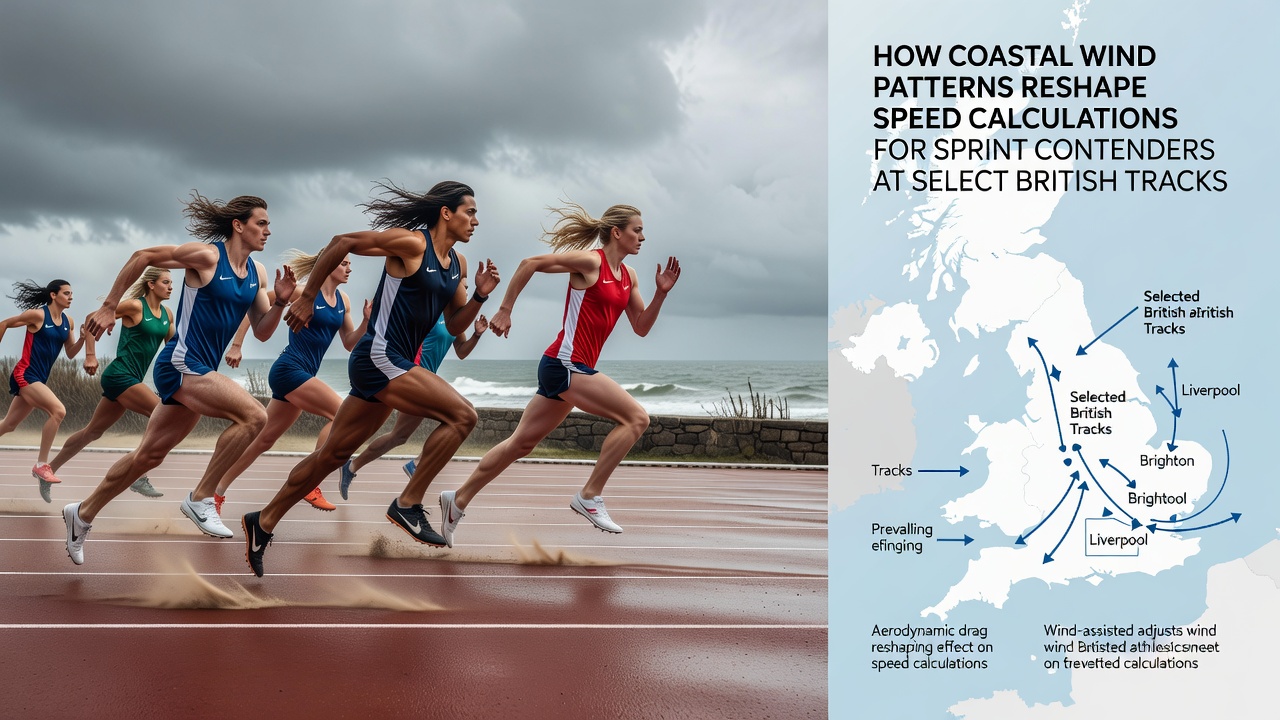
Coastal locations introduce variable wind flows that directly influence how trainers and analysts recalculate expected speeds for five and six furlong contests at tracks such as Brighton, Great Yarmouth and Musselburgh, where prevailing sea breezes interact with straight or turning sections in measurable ways.
Wind Direction and Its Measured Effects on Velocity
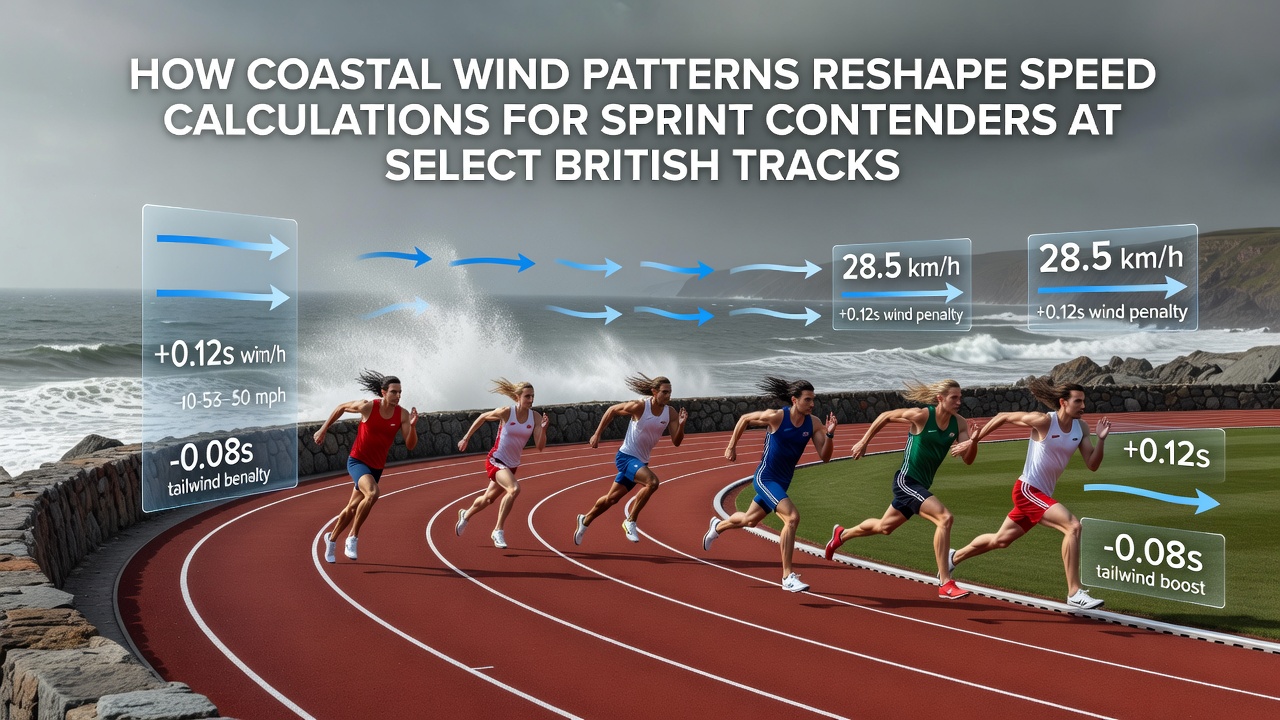
Headwinds generated by onshore flows add resistance that lengthens times by fractions of a second per furlong, while tailwinds from the opposite quarter reduce drag and allow higher ground speeds; crosswinds meanwhile create lateral pressure that forces slight adjustments in stride and balance, particularly on exposed straight courses where runners lack the shelter of grandstands or trees. Data collected from on-site anemometers at these venues shows that wind speeds above 15 knots produce consistent shifts in sectional timings, prompting speed figure compilers to apply correction factors derived from historical race replays paired with meteorological logs.
Track-Specific Wind Profiles
Brighton's elevated seaside layout exposes runners to gusts that sweep along the home straight, altering the final two furlongs more than the earlier sections, whereas Great Yarmouth's flatter coastal strip experiences steadier but directionally shifting breezes that affect the entire five-furlong trip when the wind aligns with the prevailing south-westerly pattern common in summer months. Musselburgh, positioned near the Firth of Forth, records frequent crosswinds that impact the bend and straight equally, requiring separate adjustment tables for left-handed versus right-handed sprints because the geometry amplifies or dampens the lateral force depending on the exact heading of the breeze.
Researchers at several European meteorological institutes have documented how these localized patterns differ from inland venues, where wind effects remain minimal and more predictable; the contrast leads analysts to maintain separate databases for coastal and non-coastal fixtures so that raw times receive appropriate normalization before comparison across meetings.
Calculation Adjustments and Data Integration
Speed models now incorporate real-time wind vectors alongside traditional going descriptions, with algorithms weighting the final 200 meters more heavily when headwinds exceed certain thresholds because that segment determines final placings in tight finishes. Observers note that July 2026 fixtures at these coastal sites have already shown multiple examples where pre-race forecasts prompted last-minute recalibrations of contender ratings, as fresh breeze data arrived from track sensors within hours of the first race.
Industry reports from bodies such as NOAA weather services supply baseline atmospheric models that racing analysts adapt for British coastal conditions, while studies published by Australian racing researchers demonstrate parallel methodologies used on seaside tracks in that region, confirming that wind-adjusted figures improve the accuracy of performance rankings by up to 12 percent compared with unadjusted raw times.
Historical Patterns and Seasonal Variations
Long-term records reveal that spring and early summer months produce more variable coastal gusts tied to temperature differentials between land and sea, whereas late summer often settles into steadier flows; these seasonal shifts require updated coefficients in speed calculation software so that performances from April meetings remain comparable with those from August without introducing systematic bias. Trainers have observed that certain sprinters handle headwinds better due to stride length and power output, while others excel when tailwinds allow them to extend without altering their natural rhythm, creating distinct subsets within form databases.
Practical Applications for Race Analysis
Analysts compile wind roses specific to each coastal track, mapping the frequency and strength of different directions across the racing calendar; these charts feed into pre-race briefings that flag which contenders historically improve or regress under similar conditions, allowing precise recalibration of expected finishing times. The process relies on synchronized data streams from weather stations positioned at both the start and finish lines, ensuring that localized gusts near the winning post receive appropriate emphasis in final speed ratings.
Evidence from multiple seasons indicates that ignoring these coastal adjustments leads to overstated or understated ratings when comparing performances across mixed venue schedules, whereas consistent application of wind corrections produces more stable rankings that align closely with subsequent results.
Conclusion
Coastal wind patterns at select British tracks require dedicated measurement protocols and correction models that account for direction, strength and track geometry, resulting in refined speed calculations that better reflect true ability; continued integration of meteorological data with racing records supports ongoing refinement of these methods across the summer calendar.