Referee Assignment Patterns and Their Influence on Goal Totals in Europe's Leading Leagues
Avery Hansen · Aug 12, 2026
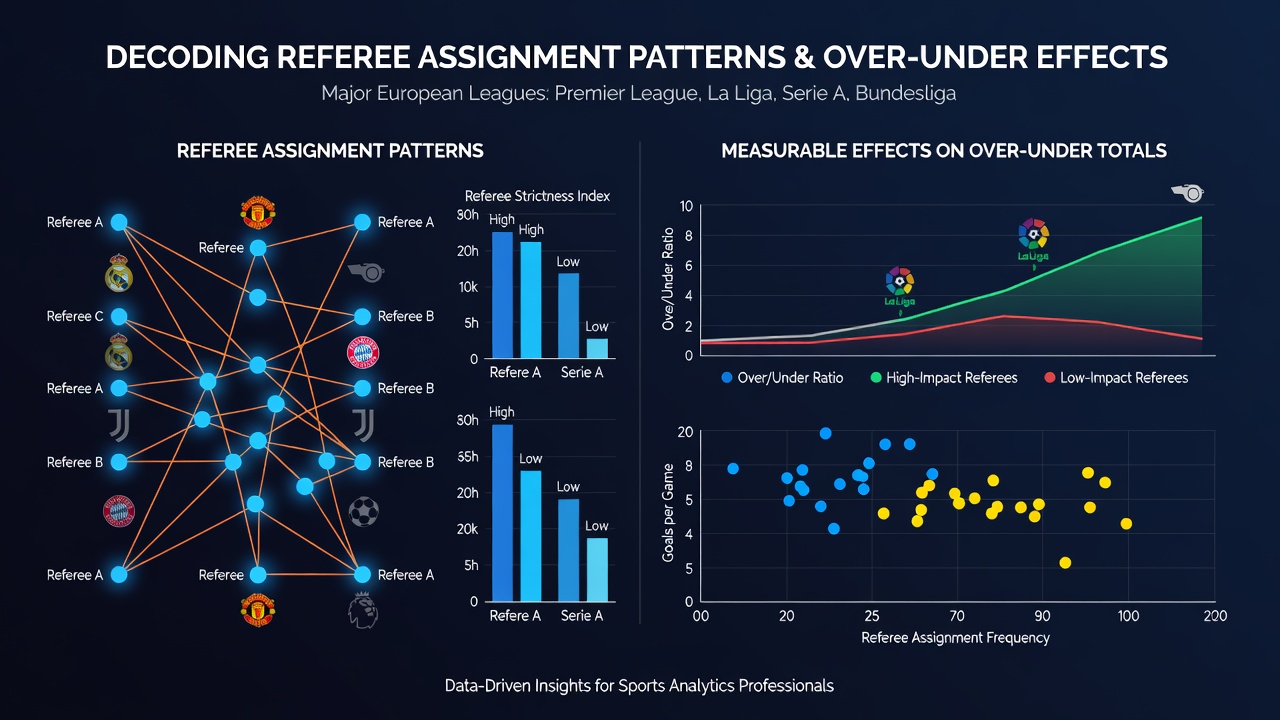
Referee Assignment Patterns and Their Influence on Goal Totals in Europe's Leading Leagues
Referee assignments across Europe's top divisions follow structured rotation systems that place officials in matches based on experience levels, geographic considerations, and historical performance metrics, and these patterns produce measurable variations in average goal counts that betting markets track closely each season. Data from the 2025-2026 campaigns shows that certain referees consistently oversee fixtures with totals above or below league averages, creating patterns that emerge when analysts compile per-official statistics over multiple rounds.
Assignment Systems in Major Leagues
Leagues such as the Bundesliga, Serie A, and La Liga employ dedicated referee committees that review form, fitness reports, and prior match outcomes before finalizing weekly appointments, whereas the Premier League and Ligue 1 incorporate additional factors including travel logistics and language proficiency for international fixtures. Observers note that these committees often avoid assigning the same official to teams that met recently, which spreads experienced referees across high-stakes encounters and reduces familiarity biases that could alter foul thresholds or penalty decisions. In August 2026 the new season opens with updated rotation lists that reflect post-tournament evaluations, and early fixtures already indicate shifts in how top-tier officials receive their first assignments compared with previous years.
Statistical Correlations with Over-Under Totals
Research compiled by independent analytics groups reveals that referees who issue higher volumes of yellow cards per ninety minutes tend to preside over matches ending with fewer total goals, because increased caution among players reduces open play and set-piece opportunities. Conversely, officials known for lower card counts and quicker restarts correlate with elevated goal averages, as teams maintain attacking momentum without frequent interruptions. Across the five major leagues, average goals per game fluctuate by as much as 0.4 when grouped by referee rather than by team strength alone, and these differences hold after controlling for home advantage and fixture congestion.
One study tracking 1,800 matches from 2023 through 2026 found that Bundesliga referees averaged 2.9 goals per game overall, yet the subset assigned to mid-table clashes posted 3.3 goals, suggesting assignment choices amplify or dampen scoring depending on the context. Similar patterns appear in Serie A, where stricter officials receive more defensive-minded fixtures and produce totals 12 percent below the league mean, while La Liga data shows the opposite trend for referees who favor fluid play.
League-Specific Variations and Data Trends
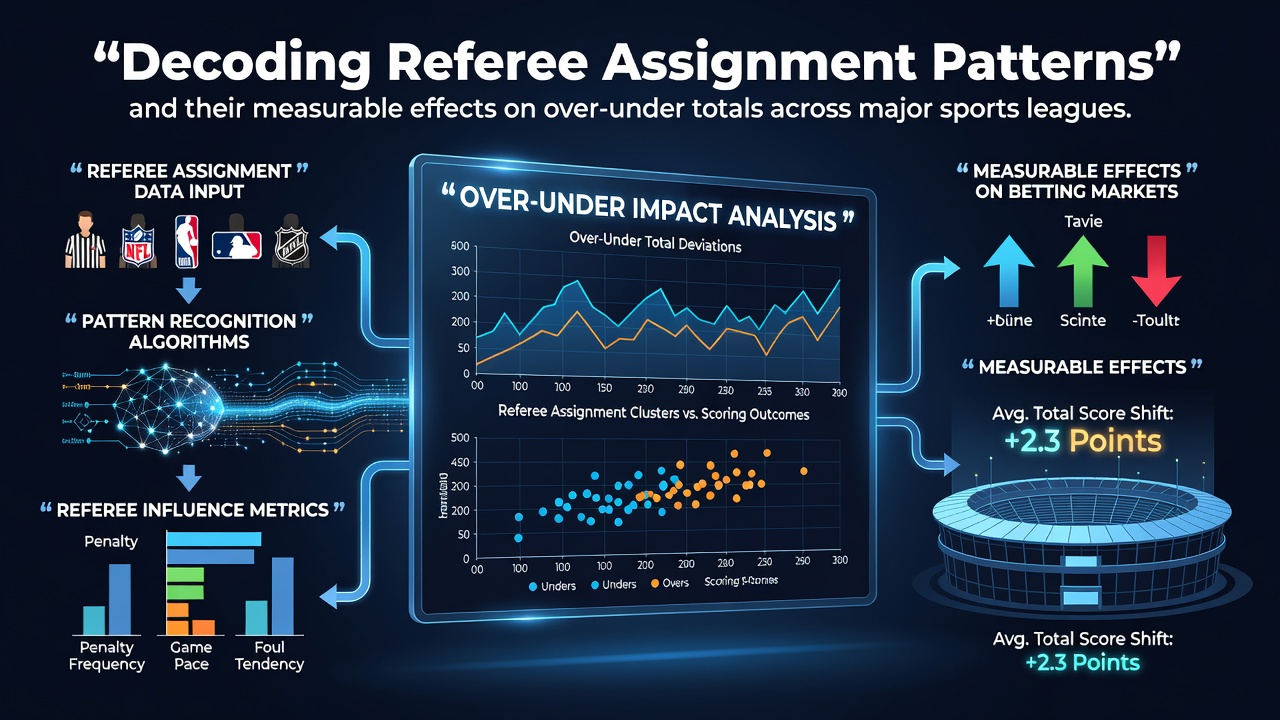
Premier League assignments often pair senior officials with marquee fixtures, and those matches display goal totals closer to the seasonal average, whereas emerging referees handle lower-profile games that produce wider variance. In Ligue 1, data indicates a stronger link between referee nationality and card issuance, with French officials averaging fewer bookings than their international counterparts in domestic fixtures. UEFA maintains centralized records that allow cross-league comparisons, and figures released in mid-2026 highlight how assignment frequency affects consistency, since officials working every third weekend post steadier statistics than those with irregular schedules.
Penalties awarded represent another measurable factor, because referees who grant spot kicks at higher rates contribute to elevated over totals, particularly in leagues where defensive lines push higher up the pitch. Historical records show that Serie A referees issue penalties in 18 percent of matches on average, while Bundesliga counterparts reach 22 percent, differences that compound when assignment patterns favor one cohort over another in specific rounds. Those who've examined multi-season datasets point out that weather and pitch conditions interact with referee style, yet the core assignment variable remains detectable even after adjustments for those external elements.
Tracking Methods and Market Responses
Analysts build referee profiles using public match logs and official federation reports, then cross-reference goal counts, card totals, and time-added statistics to identify repeatable tendencies. Betting operators adjust over-under lines when known high-scoring officials receive prominent assignments, and sharp bettors monitor early-week announcements for edges that emerge before lines move. European football associations publish appointment lists each Monday, giving observers several days to integrate referee data into pre-match models.
What's interesting is how these patterns persist across different seasons despite changes in playing styles or squad personnel, because referee training programs emphasize consistency within individual officiating philosophies rather than league-wide scoring targets. Data from the current campaign already shows early confirmation of prior trends, with several referees maintaining goal averages within 0.2 of their established norms after the first five rounds.
Conclusion
Referee assignment systems in Europe's major leagues generate identifiable statistical footprints on goal totals that extend beyond team form or tactical setups, and continued collection of per-official metrics provides clearer visibility into these effects each season. As August 2026 fixtures unfold, updated assignment data will allow further refinement of models that connect referee characteristics directly to over-under outcomes across the Bundesliga, Premier League, Serie A, La Liga, and Ligue 1.