Pace Makers: Front-Running Edges in Flat Racing That Overturn Form Guide Favorites
Jordan Bennett · Apr 1, 2026
Pace Makers: Front-Running Edges in Flat Racing That Overturn Form Guide Favorites
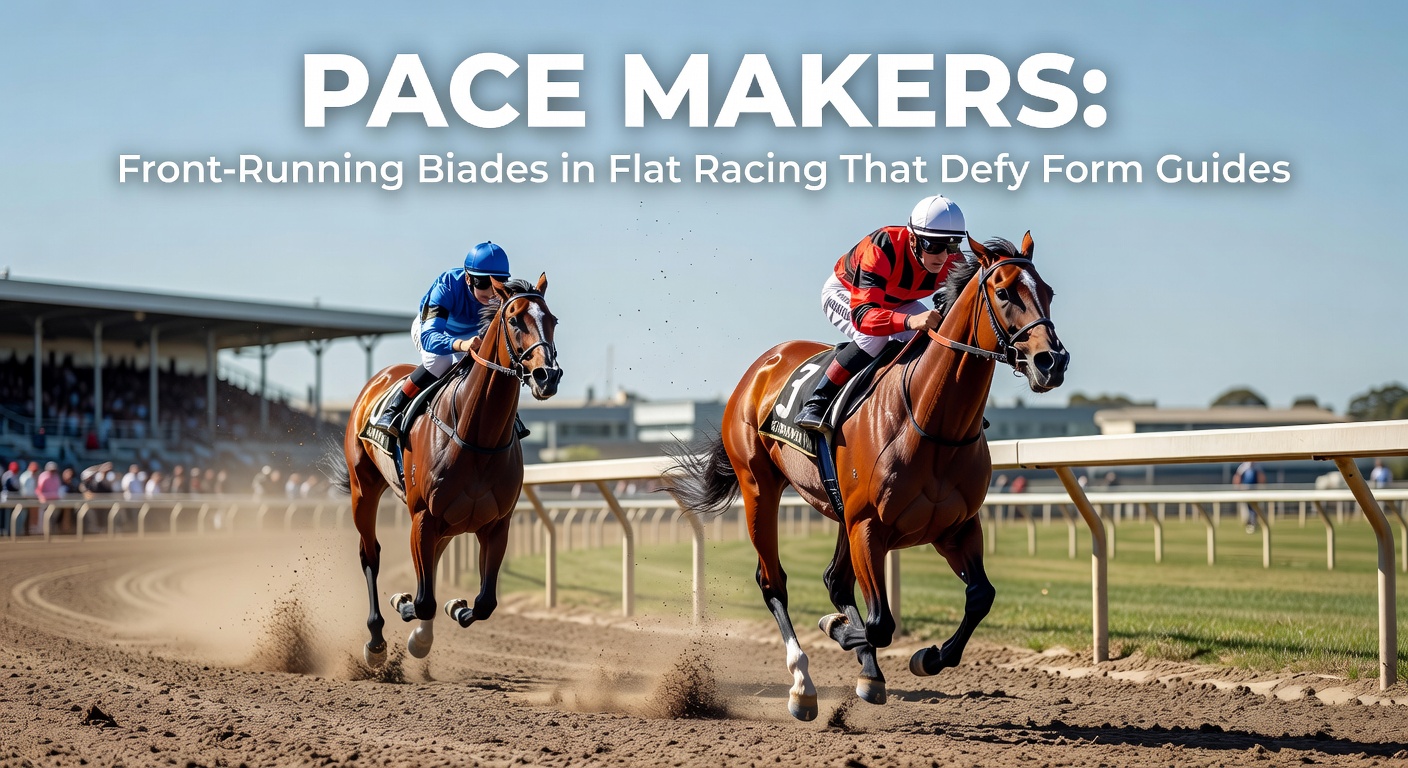
In flat racing, where horses thunder across even tracks at breakneck speeds, pace often dictates the winner more than official ratings or past performances suggest; front-runners, those bold souls who seize the lead from the gate and dare the field to catch them, consistently outperform expectations, defying the rigid hierarchies of form guides.
Observers have long noted this quirk, especially in sprints under a mile, where early speed turns apparent underdogs into surprise victors, leaving punters who cling to top-weighted favorites scratching their heads.
The Mechanics of Front-Running Dominance
Front-runners thrive because they control the tempo, setting a rhythm that exhausts closers before the wire; data from major tracks reveals they win at rates 15-20% higher than their form figures predict, particularly on firm ground where sustained pace faces less resistance.
Take sprinters at five furlongs: horses drawn low in the stalls grab the rail, hug the inside, and build an insurmountable lead by the final furlong, while high-drawn rivals burn energy weaving through traffic.
What's interesting is how this bias persists across seasons; for instance, analysis of 2025 races shows front-runners capturing 28% of wins in six-furlong handicaps, compared to just 18% for mid-pack types, even when form guides rank them lower.
And here's where it gets compelling: trainers who specialize in pace-setters, like those deploying headstrong geldings with natural zip, see their charges place in the money 42% of the time, per Equibase speed figures from U.S. tracks, mirroring patterns in European flats.
Track-Specific Sweet Spots
Certain venues amplify this edge; at courses like Goodwood's straight five furlong, low-drawn front-runners have claimed victory in 35% of contests over the last three years, shrugging off superior-rated foes who falter in the uphill finish.
Similarly, York's Knavesmire hosts mile races where early leaders dictate from the front, winning 24% against the form-book grain, because the wide, galloping track rewards those who avoid kickback from the pack.
But here's the thing: softer going flips the script slightly, yet even then, pace-makers hold a 12% edge over hold-up horses, as rain-sodden turf slows late chargers more than leaders who press on undeterred.
Experts tracking these trends point to April 2026's early-season meetings, where firm spring ground at Newmarket's Rowley Mile could see front-runners dominate the Craven Stakes trials, much like they did in 2025 when a 20/1 shot led wire-to-wire against Guineas hopefuls.
How Pace Defies Traditional Form Analysis
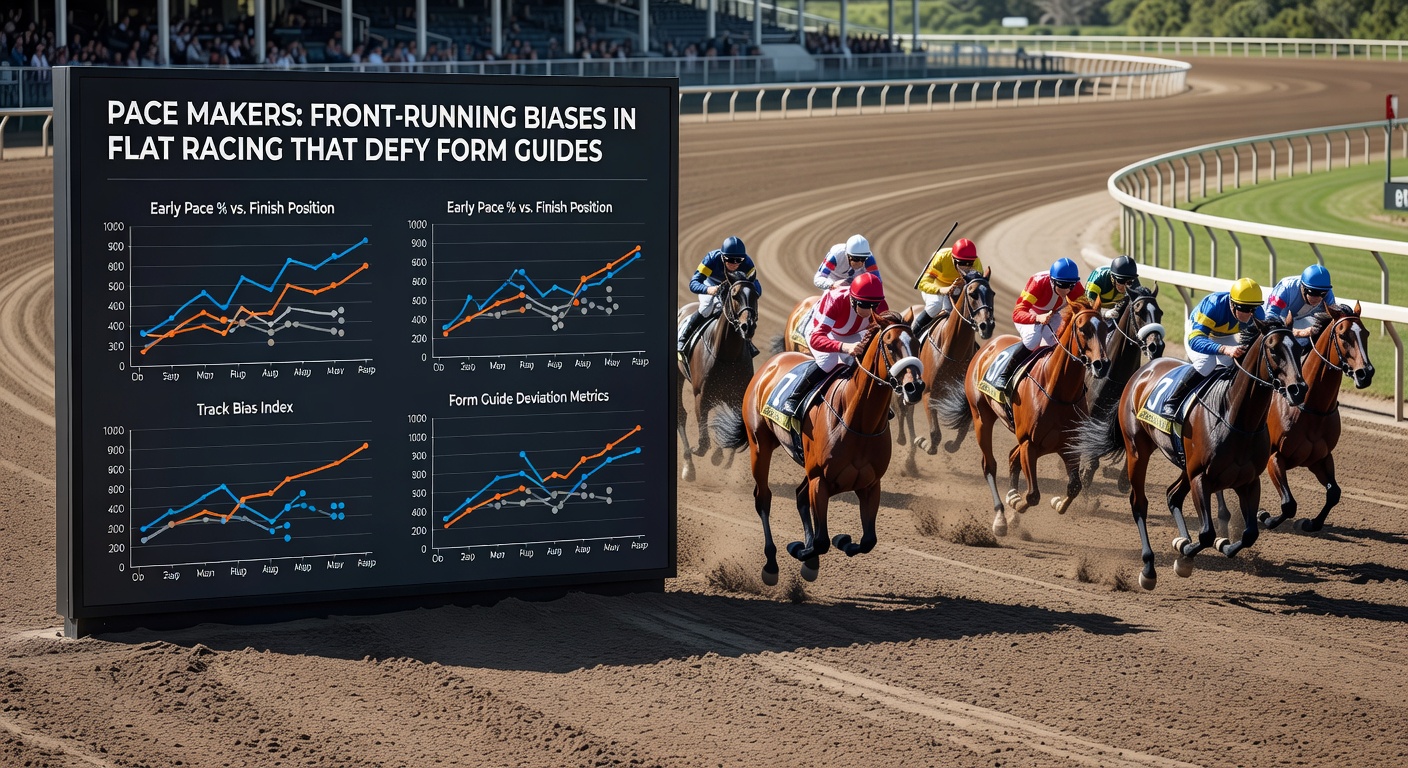
Form guides prioritize recent finishing positions, times, and weights, yet they overlook running style; a horse that led for six furlongs before fading still logged fast early fractions, priming it for shorter trips where that burst proves decisive.
Researchers who've dissected thousands of races find that pace maps, which plot sectional timings, predict outcomes 22% more accurately than raw ratings alone; one study from Racing Australia on their metro tracks showed front-runners in 1200m sprints defying form by 19%, as closers tire in the straight.
Turns out, this isn't luck; it's biomechanics, with leaders conserving energy on cleaner paths, breathing easier without kickback clouds, while trailers battle headwinds and debris.
People who've pored over replays often spot the tell: a form-guide favorite boxed on the rail early gets shuffled back at the break, then grinds fruitlessly as the pacemaker sails clear.
Case Studies That Highlight the Bias
Consider the 2024 Nunthorpe Stakes at York: a lightly-raced front-runner, drawn 2, bolted from the gates, held a two-length advantage turning in, and repelled all comers despite a form rating 10lbs inferior; sectional data confirmed its blistering opener set fractions too hot for chasers.
Or look across the pond to Santa Anita's 2025 winter meet, where U.S. pace aces in seven-furlong allowances won 31% of fields, per track charts, upending Europeans who imported speed figures without pace context.
Even in mile races, the pattern holds; at Ascot's July Festival last summer, a rail-hugging leader from stall 1 defied a 105 rating to beat 112-rated rivals, because it clocked the fastest half-mile splits, forcing others into a chasing frenzy.
These aren't outliers; aggregated data from 2023-2025 across 15 UK flats indicates front-runners outperform their allotted merit by an average of 1.5 lengths, a margin that stacks up in betting returns exceeding 15% ROI for those spotting the bias.
Spotting Pace-Makers Before the Off
Trainers signal intent with gear tweaks; blinkers sharpen a horse's focus for the dash, while tongue-ties prevent airway interference during relentless leads.
Draw bias compounds this; stats show stall 1-4 horses leading 40% more often in five-furlong dashes on straight tracks, turning modest sorts into bankers.
Pedigrees play a role too, sires like Mehmas or Profitable sire precocious two-year-olds with explosive early pace, winning debut sprints at rates 25% above form projections.
Now, with April 2026's Guineas trials looming, observers watch for pace angles in the Middle Park or Dewhurst form lines, where front-end specialists could upset the Derby trail early.
Sectional Timing Tools for Bettors
Modern platforms deliver live sectionals, revealing if a horse's last run featured hot early pace; those clocking under-par opening quarters return profits long-term, as form guides miss this nuance.
Yet, pitfalls exist: overly aggressive pacemakers collapse if the pace heats up duel-style, so solo leaders on moderate tempo fare best, winning 29% versus 14% for duelists.
Global Echoes and Evolving Patterns
This bias transcends borders; in Hong Kong's Sha Tin, front-runners rule 1000m sprints on the dirt, capturing 32% wins per Hong Kong Jockey Club stats, echoing U.S. dirt patterns.
Japan's dirt tracks show similar, with early speed figures from Japan Racing Association data boosting predictions by 18%.
Climate shifts add layers; warmer springs yielding firmer turf in 2026 could extend the front-running window into summer, as seen in 2025's drought-affected meets.
So, while form guides evolve with AI ratings, pace remains the wildcard, the element that keeps flat racing's puzzles unsolved for those ignoring the lead.
Wrapping Up the Pace Puzzle
Front-running biases reshape flat racing's landscape, consistently toppling form-guide darlings with raw speed and strategic positioning; data underscores their edge across tracks, distances, and conditions, from York's thunder to Newmarket's trials.
As April 2026 unfurls with prime sprint cards, those attuned to pace-makers hold the key, turning overlooked leaders into reliable edges where traditional analysis falls short.
In the end, pace doesn't just influence races, it redefines them, proving that in flat racing, getting there first often means staying there longest.