Independent Commission Launches Fresh Examination of Gambling Act 2005
Zara Lorenz · Nov 10, 2026

Independent Commission Launches Fresh Examination of Gambling Act 2005
The independent Gambling Policy Commission has initiated a detailed review of the Gambling Act 2005 framework, seeking submissions that address whether fresh legislation is required to keep pace with technological advances, prediction markets, artificial intelligence applications, cryptocurrency transactions, illicit gambling operations, taxation effects, and gambling-related harm; the process follows the Autumn Budget decision to raise Machine Games Duty to 25 percent and will assess how earlier reforms have performed in practice along with enforcement outcomes and the sector's overall economic role.
Scope of Evidence Collection
Observers note that the call for evidence covers a wide range of developments that have emerged since the original Act took shape, including how online platforms now operate, the growth of prediction markets that allow bets on future events, the integration of AI tools for risk assessment and personalization, the use of cryptocurrencies for deposits and withdrawals, the persistence of unlicensed gambling sites, shifts in tax policy, and measurable impacts on public health; researchers and industry participants are invited to submit data that can clarify these overlapping areas while the commission weighs whether regulatory gaps have widened over time.
Those who have studied similar legislative reviews point out that evidence on technological changes will examine everything from mobile betting interfaces to real-time data feeds that alter how markets function, whereas sections on prediction markets will look at their distinction from traditional sports betting and whether they require separate oversight; evidence on artificial intelligence will focus on algorithmic decision-making in customer verification and responsible gambling tools, and cryptocurrency questions will center on traceability, volatility, and compliance with existing money-laundering rules.
Timeline and Process Details
The review sets a clear schedule with submissions due by February 2027 and a final report scheduled for 2028, allowing two full years for analysis and consultation; this extended window reflects the complexity of gathering quantitative data on enforcement effectiveness, economic contributions from licensed operators, and patterns of harm across different gambling formats, while the commission will also consider how recent duty increases interact with broader fiscal measures introduced in the Autumn Budget.
Chair and Institutional Context
Professor Jagjit Chadha leads the commission, bringing expertise in economic policy and regulatory frameworks to the task of evaluating whether the 2005 Act still provides an adequate foundation; his role involves coordinating input from government departments, industry bodies, academic researchers, and harm-prevention organizations so that the eventual recommendations rest on a balanced evidence base rather than isolated perspectives.
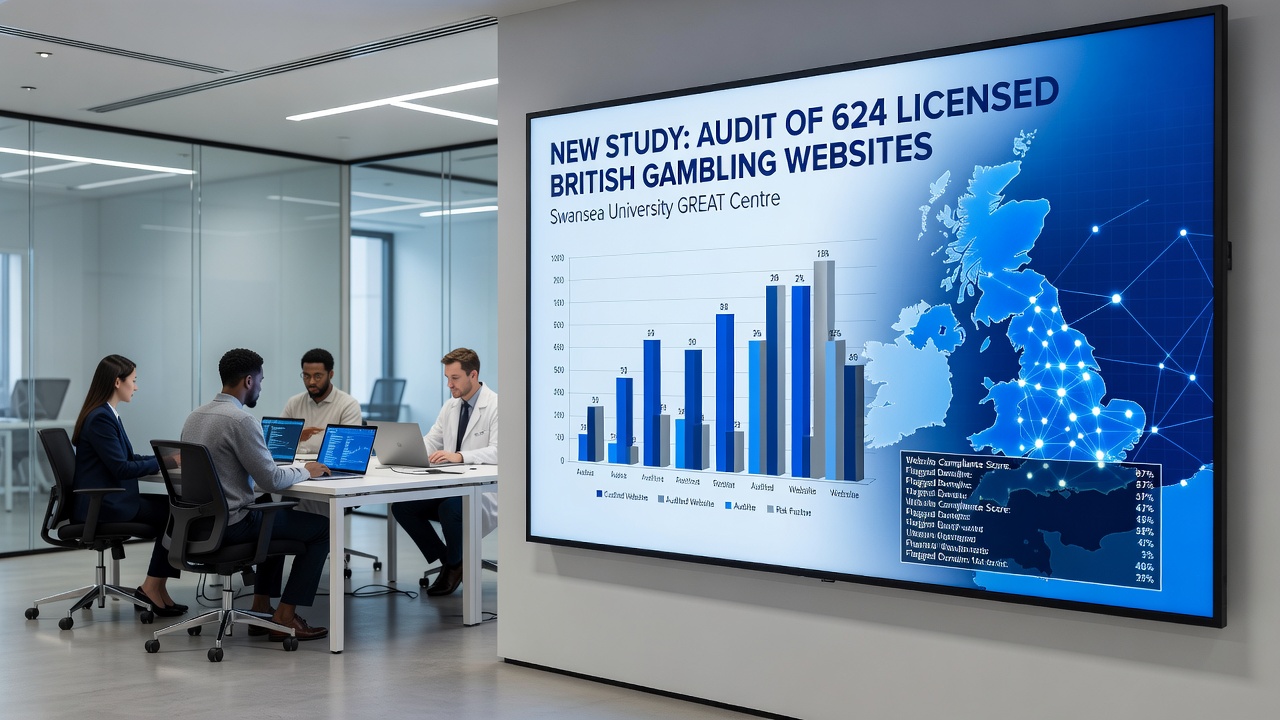
Evidence on illicit gambling will explore how unlicensed operators continue to reach UK customers despite enforcement efforts, while taxation impacts will receive attention through analysis of duty rates, operator margins, and consumer behavior following the Machine Games Duty adjustment to 25 percent; the commission will also review how prior reforms have altered market structure, compliance costs, and the balance between consumer protection and commercial viability.
Economic and Enforcement Considerations
Data collection will include figures on gross gambling yield, employment within the licensed sector, tax receipts generated, and estimates of revenue lost to black-market operators; enforcement metrics will cover prosecution rates, site-blocking effectiveness, and the speed with which new technological risks are identified and addressed, allowing the commission to determine whether current powers remain sufficient or whether legislative updates are needed to close loopholes that have appeared since 2005.
Those submitting evidence are encouraged to provide both quantitative datasets and qualitative case studies that illustrate how AI-driven marketing or cryptocurrency payments have changed risk profiles, and how prediction markets may overlap with or diverge from established betting products; the commission has indicated that all contributions will be assessed against the twin objectives of maintaining a fair and open market while minimizing gambling-related harm.
Conclusion
The review represents a structured attempt to test whether the regulatory architecture established two decades ago can accommodate rapid innovation across multiple dimensions, and the outcomes will shape future legislative proposals once the 2028 report is delivered; stakeholders across the industry, research community, and regulatory bodies now have until February 2027 to supply the detailed evidence that will inform those recommendations, with the process chaired by Professor Jagjit Chadha and supported by the independent Gambling Policy Commission. Further details appear in coverage from iGaming Business.