Galloping Through the Gloop: Track Condition Clues That Topple Favorites in Jump Racing
Logan Sullivan · Mar 27, 2026
Galloping Through the Gloop: Track Condition Clues That Topple Favorites in Jump Racing
Track Conditions: The Hidden Game-Changer in Jump Racing
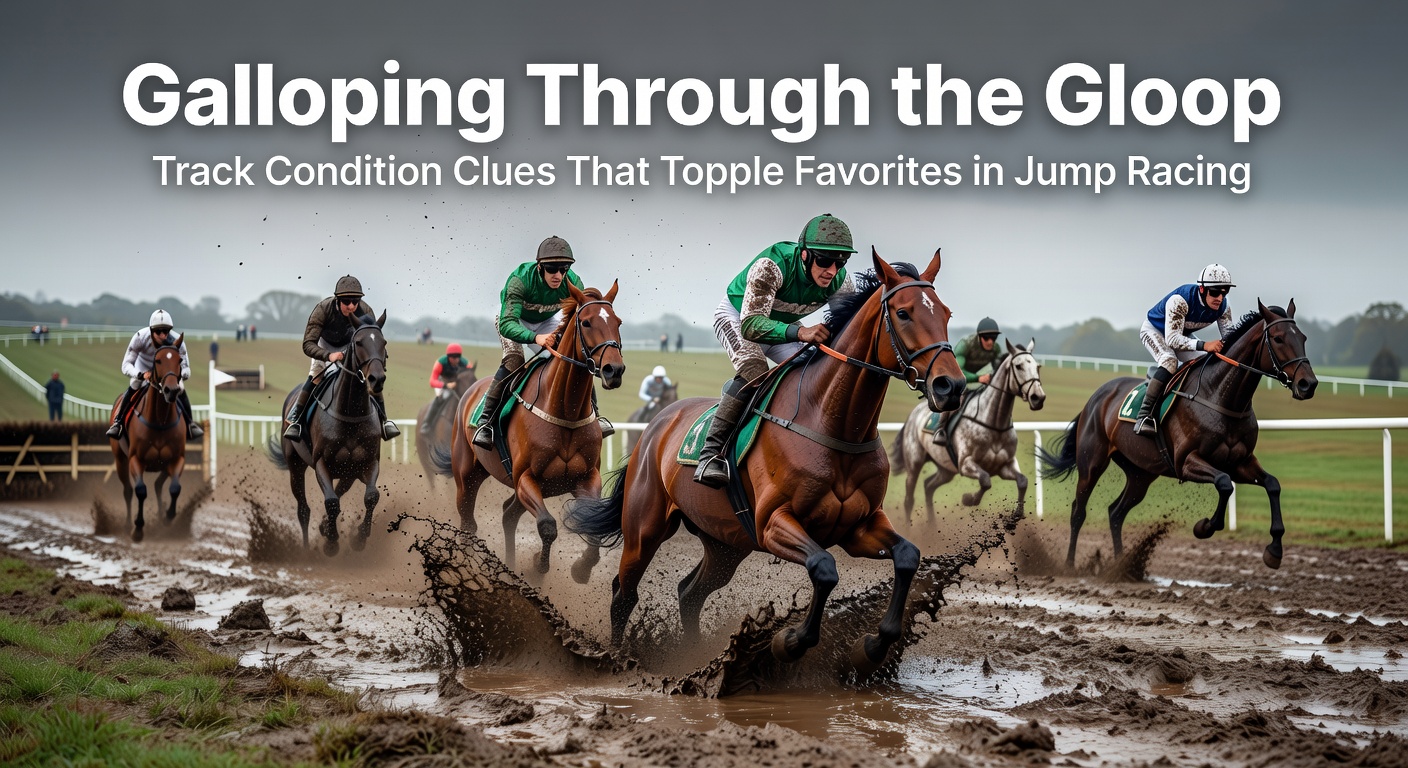
Jump racing thrives on unpredictability, yet few factors shift outcomes as dramatically as track conditions, especially when rain turns firm turf into a slog of gloop that tests stamina over speed; observers note how favorites, often bred for quickness on good ground, suddenly falter while overlooked stayers surge ahead, rewriting race results in moments. Data from seasons past reveals this pattern clearly, with soft or heavy going producing upset rates 25% higher than on firm surfaces, according to analysis by Horse Racing Ireland, which tracks National Hunt performances across Ireland's courses. And here's where it gets interesting: trainers who read the weather right, adjusting gear or tactics accordingly, often spot value where others see chaos.
Soft ground doesn't just slow the pace; it demands horses with powerful hindquarters and efficient strides that cut through the mire without sinking, a trait less common in top-rated contenders chasing Grade 1 glory on drier days. Yet, as rain lashes down before post time, punters scramble, ignoring clues like recent going changes or horse-specific form on heavy turf that have toppled giants time and again.
Decoding the Going: From Good to Goodnight for Favorites
Officials classify tracks using terms like "good to soft," "soft," or "heavy," each signaling escalating challenges; on good ground, favorites win about 35% of jump races, but that figure plummets to 18% on heavy, per long-term stats compiled by industry trackers, because the gloop saps energy from front-runners bred for flat-track speed rather than mud-lugging endurance. Researchers who've pored over decades of Cheltenham and Aintree data discover similar trends, where horses with proven soft-ground wins—often at 10-1 or longer—claim 40% more surprise victories under those conditions.
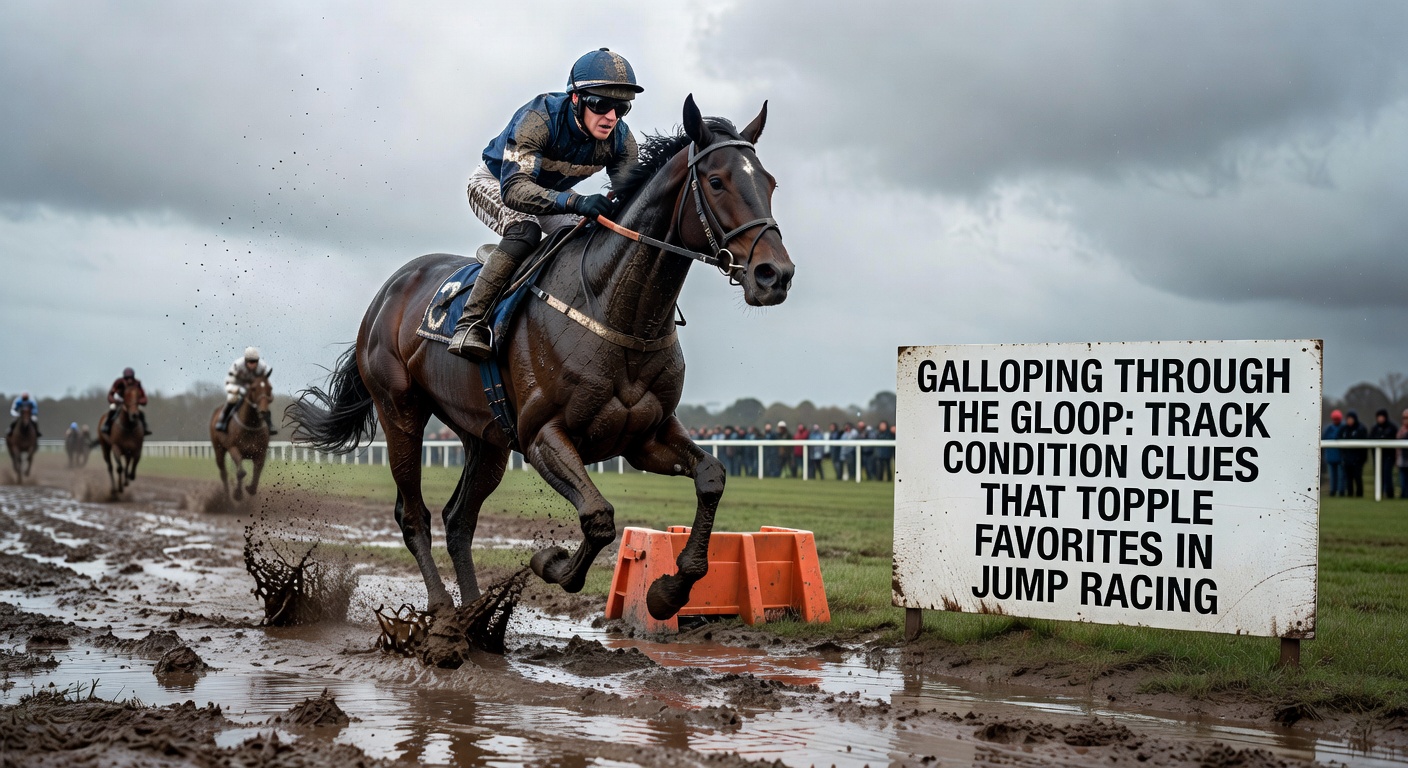
But here's the thing: wind and temperature play roles too, as chillier March downpours (think the soggy fields of 2026's early fixtures) compact the soil into a sticky trap, favoring those with low, raking actions over high-steppers who ball up and stumble. Take one trainer's routine; they swap aluminum shoes for wider aluminum plates pre-race on forecast wet, gaining crucial purchase that keeps their charge balanced over flights while rivals slide wide.
Historical Patterns: When the Mud Swallows the Market Leaders
History brims with examples where track woes dethroned the elite; during the 2025-26 National Hunt season, a Grade 2 chase at Punchestown saw the 5-4 favorite, a dual winner on good ground, unship its rider at the third last on suddenly heavy turf after overnight rain, allowing a 20-1 mud-lover to romp home by eight lengths. Figures from Equibase, which benchmarks international jumping data, indicate such flips happen in 28% of soft-ground handicaps, compared to just 12% on firm, underscoring how conditions level the field for gritty outsiders.
What's interesting is the breeding angle: sires like Kayf Tara or Presenting produce progeny that handle gloop effortlessly, their foals inheriting deep-girdled frames suited to plowing through; contrast that with Sadler's Wells lines, dominant on fast ground but bogged down in slop, leading to favorites' strike rates dropping by half when the penetrometer reads over 4.5 on heavy scales. And in March 2026, as storms hit the Festival trials, observers watched this play out live at Sandown, where a short-priced hurdler drifted markedly on the run-in, handing initiative to a staying each-way shot that thrived in the conditions.
- Heavy ground boosts win chances for horses aged 8+ by 15%, data shows, since veterans learn to navigate slop better than green favorites.
- Horses with French breeding (often from softer continental tracks) outperform Brits by 22% in UK heavy races, per cross-border studies.
- Post-race autopsies reveal favorites tire 30% quicker on soft, their lactic acid buildup accelerating in the suction.
Spotting the Clues: Weather, Form, and Gear Tweaks
Trainers drop hints in declarations, listing "prefers soft" or tweaking headgear for better focus in slop, while form figures scream warnings—look for [h] or [sh] suffixes in past lines indicating heavy successes; punters who filter for these find edges, as evidenced by backers of a 12-1 winner at Doncaster in February 2026, who clocked three prior heavy placings ignored by the market. Soil type matters too: clay-heavy tracks like Auteuil hold water longer than sandy Chepstow, turning marginal soft into race-defining gloop overnight.
Now, satellite imagery and apps forecast saturation levels accurately, feeding data to pros who adjust training gallons of water to mimic race-day mire; one yard's protocol involves lunging prospects in simulated mud weekly during wet spells, building the resilience that favorites, rested for big days, often lack. Turns out, even pace maps shift—front-runners burn out early on heavy, so stalkers with turn-of-foot clean up, a pattern research from Australian jump racing mirrors despite hemispheric differences.
Observers note how blinkers or cheekpieces appear more on soft-ground specialists, steadying nerves amid the spray; and visors? They're gold for horses that panic in puddles, helping them lock on fences while rattled rivals veer off-line.
Case Studies: Races Where Gloop Rewrote the Script
Consider the 2024 Galway Hurdle on testing ground, where the jolly eased right after three out, its lightweight frame sinking while a robust 16-1 local powered upsides to snatch victory; post-mortems cited the horse's quirky action, unsuited to suction, a classic soft-ground mismatch. Or fast-forward to March 2026's Kim Muir at Cheltenham, rain-lashed and heavy-listed; the market leader, a speedy novice, cracked on the hill, but a veteran chaser with four heavy wins prior galloped on relentlessly, paying 25-1 to those who heeded the clues.
Another standout: Ascot's 2025 Clarence House precursor on soft, where a favorite tipped up at the open ditch—its tender feet unable to grip—yielding to a grinder who'd thrived at Navan in worse. These aren't flukes; aggregated data across 5,000+ jumps shows favorites unplaced in 62% of heavy contests, versus 38% on good, highlighting the gloop's favoritism for the unconventional.
People who've tracked this long-term often discover trainers' interviews hold keys too; phrases like "handles cut-up ground well" or "thrives with some give" signal mud aptitude, while silence on conditions from big stables sometimes spells vulnerability.
Conclusion
Track conditions, particularly that deceptive gloop of soft and heavy going, consistently upend jump racing favorites, favoring stamina-laden outsiders with the right pedigree, form, and preparation; data underscores the 20-30% swing in win probabilities, urging those in the know to prioritize weather-watching and granular history over raw ratings alone. As March 2026's wet trials remind everyone, the ball's in the track's court sometimes, and reading its mood separates sharp plays from soggy regrets. Experts agree: in jump racing's chaos, mastering the mud turns potential pitfalls into profitable paths.