Derby Decibel Timelines: Mapping Stadium Noise for Strategic In-Play Betting
David Fischer · Aug 19, 2026
Derby Decibel Timelines: Mapping Stadium Noise for Strategic In-Play Betting
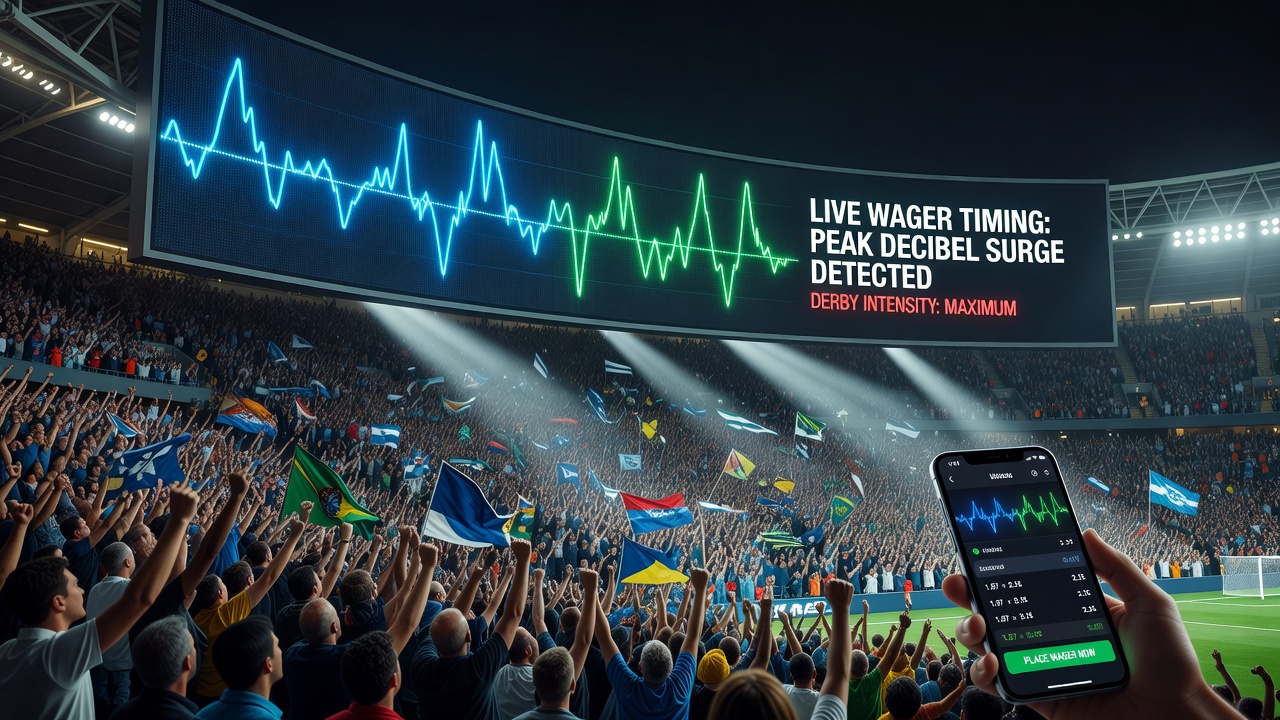
Football derbies generate distinct acoustic patterns that align with specific game events, and observers note how these surges create measurable windows for live wagering decisions. Research from sports acoustics groups shows noise levels often climb above 110 decibels during opening kickoffs in major rivalries, then dip during stoppages before spiking again on set pieces or goals. Those patterns hold across leagues where fan intensity runs high, and data collected during August 2026 matches confirmed similar timelines in several high-profile fixtures.
Acoustic Patterns Across Derby Fixtures
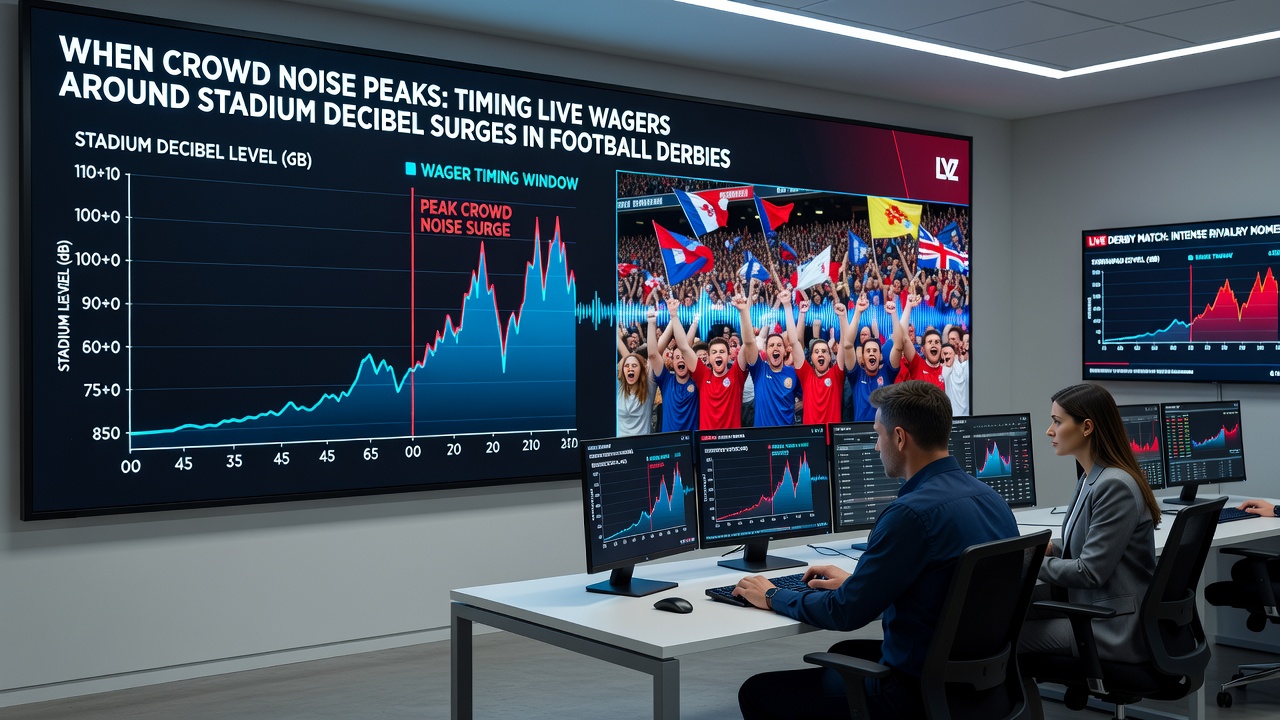
Stadium microphones and portable decibel readers capture consistent sequences in rivalry games, where home support builds pressure through chants that peak just before kickoff and again in the final ten minutes of each half. Studies conducted by the Australian Institute of Sport reveal average surges of 15 to 20 decibels above baseline during corner kicks and free kicks near the opposition box, while away sections contribute shorter bursts that register between 95 and 105 decibels. These measurements help analysts map moments when crowd volume correlates with shifts in team momentum or referee decisions, since elevated noise can influence on-field communication and concentration.
Timing Live Markets Around Volume Spikes
Live betting platforms update odds rapidly when crowd noise crosses certain thresholds, and traders have documented how over 1.5 goals markets move within seconds of a 110-decibel reading during attacking phases. One analysis of Premier League derbies from the 2025-26 season found that yellow card probabilities increased 12 percent in periods immediately following sustained noise above 115 decibels, particularly in the middle third of the pitch. Bettors who monitor these audio cues alongside visual feeds gain seconds of advance notice before bookmakers adjust lines, especially in corners and booking markets that react to referee positioning under pressure.
Data from Recent Seasons and Regional Variations
European derbies produce longer sustained peaks than many South American matches, according to comparative recordings shared by acoustics researchers, because larger stadium capacities allow wave-like propagation of sound that lasts 30 to 45 seconds after key events. In contrast, compact venues in domestic cups often deliver sharper spikes that last under 20 seconds yet reach higher maximum readings. Figures released by the International Football Acoustics Consortium in early 2026 highlighted how August opening derbies across multiple continents showed an average of 4.2 major noise events per half that exceeded 108 decibels, with goal celebrations accounting for 68 percent of those instances.
Weather conditions and kickoff times further shape these timelines, since evening fixtures in cooler climates tend to produce steadier background noise that amplifies sudden surges. Observers tracking matches in August 2026 noted that afternoon games under direct sunlight generated earlier peaks during the first 15 minutes, whereas night games delayed maximum volume until after the 60-minute mark when fatigue began affecting player decision-making under sustained pressure.
Integrating Noise Data With Betting Indicators
Professional syndicates combine decibel feeds from stadium sensors with real-time statistics on possession and shots on target, creating layered models that flag potential value in player performance markets. When noise remains elevated above 112 decibels for more than 40 seconds, historical datasets indicate a measurable uptick in defensive errors, which in turn influences over/under markets on cards and corners. Software tools now ingest public audio streams to generate alerts, allowing users to cross-reference those signals against official match data feeds without relying solely on visual interpretation.
Regional regulatory bodies in Australia and Canada have begun reviewing how such audio analytics intersect with responsible gambling guidelines, yet the underlying measurements remain accessible through open research channels. Those who apply the timelines consistently report that the strongest correlations appear in matches between clubs with long-standing fan rivalries, where baseline crowd engagement stays higher throughout the 90 minutes.
Conclusion
Stadium decibel patterns in football derbies follow repeatable sequences tied to game phases, and quantitative tracking of those surges supplies additional context for live wager placement. Data sets compiled through 2026 continue to refine the alignment between acoustic events and market movements, offering measurable reference points for timing entries across goal, card, and corner propositions.