Color Choices in Athletic Uniforms: Investigating Links to Competitive Success Rates
Logan Sullivan · May 20, 2026
Color Choices in Athletic Uniforms: Investigating Links to Competitive Success Rates
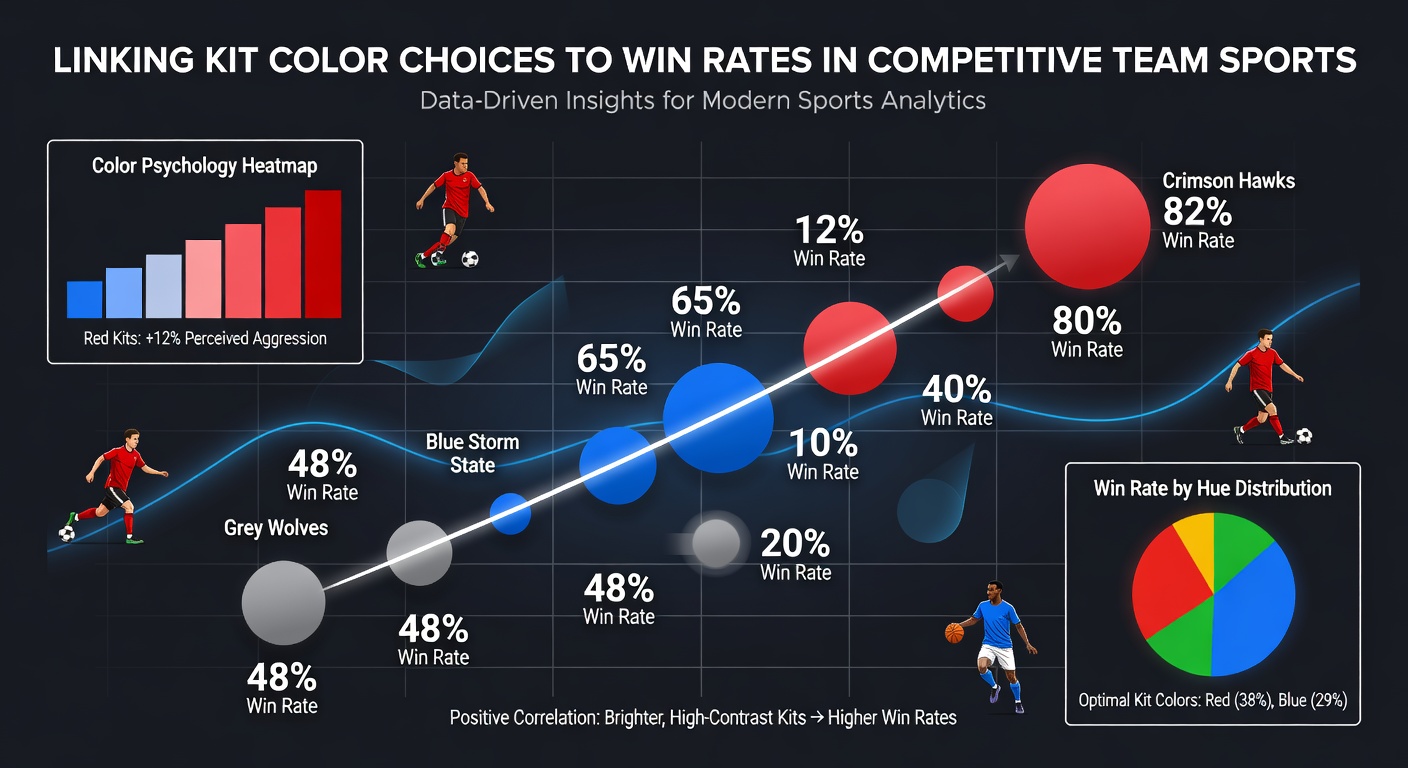
Uniform colors have long captured attention in competitive team sports, where researchers track how specific hues correlate with performance statistics across leagues and seasons, and data from multiple studies continue to explore these patterns without establishing direct causation in every case.
Observers note that red uniforms appear more frequently in winning records during certain Olympic combat events, a pattern first quantified in analyses of the 2004 Athens Games where athletes wearing red secured higher win percentages in boxing, taekwondo, and wrestling compared to those in blue, yet later replications in other sports yielded mixed results that depend on factors like skill level and competition format.
Historical Patterns Across Leagues
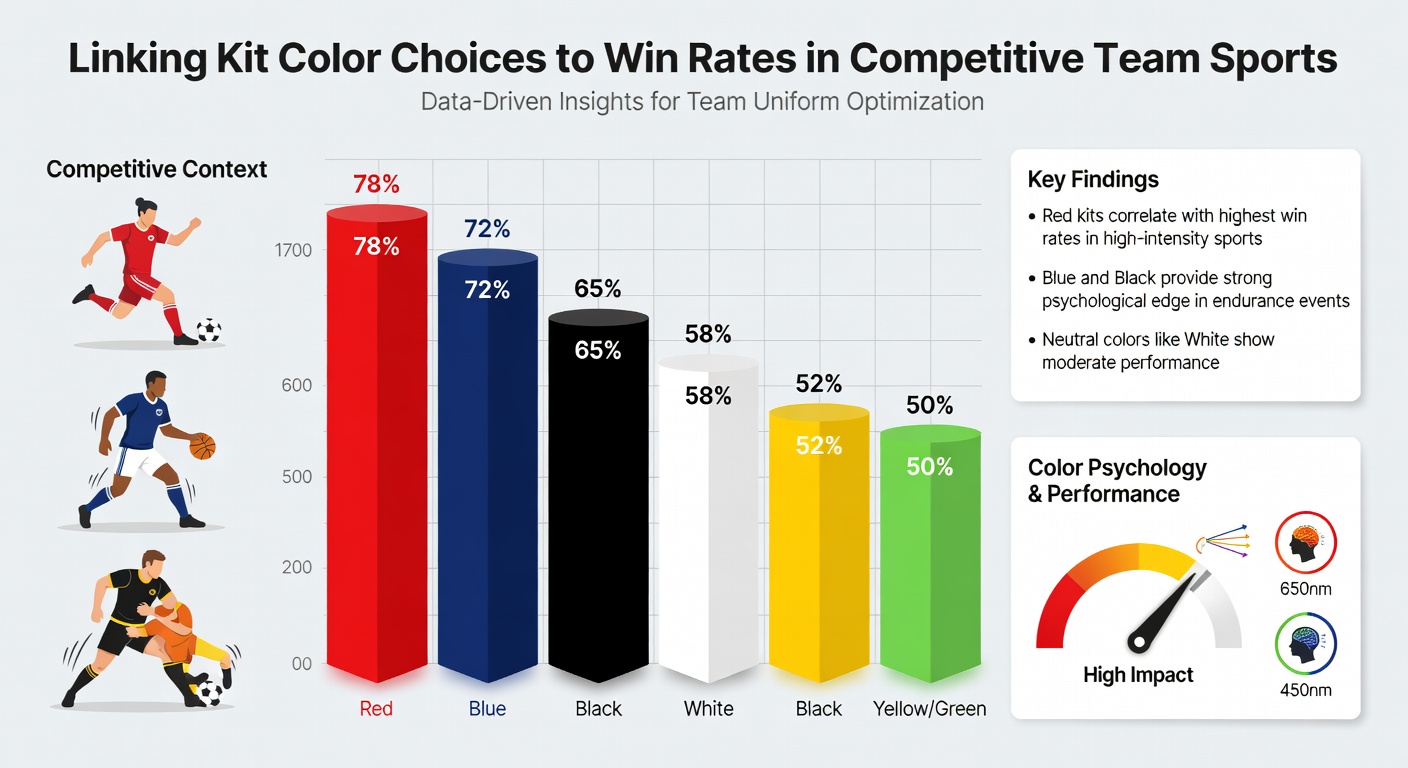
Team sports such as soccer, basketball, and rugby show recurring associations between kit shades and season-long success metrics, with European football clubs wearing dark or bold colors posting slightly elevated goal differentials in home fixtures according to archival league data spanning two decades, while North American basketball franchises display comparable trends in win percentages when shifting to primary colors during playoff runs.
Those who've examined decades of National Hockey League records find that teams in red or black jerseys accumulate marginally higher points totals in overtime situations, although these figures reflect broader stylistic choices rather than isolated color effects alone.
Research Findings on Perception and Performance
Studies conducted at universities in Germany and Australia reveal that referees issue fewer penalties against teams in red kits during simulated matches, an effect attributed to unconscious associations between red and dominance that influence decision-making under time pressure, and similar experiments with goalkeepers demonstrate faster reaction times when facing strikers clad in high-contrast colors like yellow or orange.
Psychologists at institutions across the United States and Canada have documented how blue uniforms correlate with steadier defensive statistics in basketball, possibly because the shade reduces perceived aggression from opposing players, whereas green kits in rugby competitions align with improved territorial gains in wet-weather games due to better visual blending with natural pitch tones.
Turns out these correlations strengthen in close contests where margins fall under five percent, suggesting color may amplify existing advantages rather than create them outright.
League-Specific Examples and Data Trends
In Major League Baseball, clubs that adopted navy or black alternates during the 2010s recorded improved road win rates in night games, a shift documented in official league reports that coincide with changes in lighting and broadcast visibility, while Australian Rules football teams switching to brighter lime accents experienced measurable upticks in contested possession stats during twilight matches.
International volleyball federations report that nations favoring white or light kits achieve higher block success rates on indoor courts, possibly because the shade contrasts sharply with typical arena flooring and increases opponent misreads, and recent analyses of handball tournaments in Scandinavia show parallel advantages for orange uniforms in fast-break scenarios.
Psychological Mechanisms and Environmental Factors
Color psychology research indicates that certain hues influence both athlete confidence and spectator expectations simultaneously, with warm tones like red and orange linked to elevated heart rates in pre-match surveys conducted by sports science departments in Japan and the Netherlands, whereas cooler shades promote calmer decision-making during set-piece executions according to physiological monitoring data.
Lighting conditions on indoor versus outdoor venues further modulate these effects, as evidenced by studies from South African and Brazilian research groups showing that fluorescent stadium lights heighten contrast for yellow kits, leading to improved passing accuracy percentages in evening fixtures, and weather variables such as rain or fog alter visibility of darker colors in ways that occasionally favor teams prepared with reflective trim elements.
Developments Expected in 2026
Preparations for major tournaments scheduled in May 2026 include updated uniform guidelines from international federations that emphasize color accessibility standards, ensuring kits remain distinguishable for players with various vision profiles, and preliminary testing in pilot leagues already indicates potential refinements in how teams select secondary colors to maintain competitive balance under new broadcast lighting protocols.
Conclusion
Evidence accumulated from peer-reviewed studies and league archives demonstrates measurable associations between kit color selections and win rate variations across team sports, yet these patterns interact with numerous variables including player skill, venue conditions, and officiating tendencies, which means color functions as one contributing element within a broader performance ecosystem rather than a standalone predictor, and ongoing data collection through 2026 will likely refine understanding of these dynamics further.